
Trump dodged a Supreme Court smackdown on his tariffs only to face 24 states slamming the door with a fresh lawsuit over his sneaky legal pivot.
Story Snapshot
- Oregon-led coalition of 24 states sues Trump in U.S. Court of International Trade over 15% global tariffs under Section 122.
- Supreme Court just struck down prior IEEPA tariffs as unlawful taxes, unlocking $150 billion in potential refunds.
- States argue Section 122 misuse: designed for balance-of-payments crises, not trade deficits, violating Constitution and law.
- 90% of tariff costs hit American consumers, hiking prices on groceries, cars, and energy amid affordability woes.
- Trump’s rapid response seen as end-run around judicial limits on executive power.
Supreme Court Rejects Trump’s IEEPA Tariffs
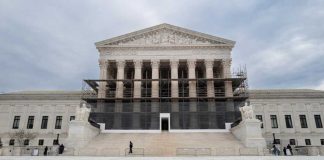
Oregon Attorney General Dan Rayfield led 12 states in spring 2025 to challenge Trump’s broad tariffs imposed under the International Emergency Economic Powers Act. The Supreme Court heard oral arguments in November 2025. On February 20, 2026, a 6-3 majority led by Chief Justice John Roberts ruled the tariffs unlawful. The court deemed them taxes reserved for Congress, striking down over $150 billion in collections. Importers now seek refunds, with Oregon alone eyeing $670 million.
Trump Pivots to Section 122 of Trade Act
Within two weeks, Trump issued an executive order invoking Section 122 of the 1974 Trade Act. This obscure provision allows 15% tariffs for 150 days during “large and serious balance-of-payments deficits.” Trump applied it to most worldwide products to tackle trade deficits. States call this unprecedented; Section 122 has never targeted broad trade gaps before. The move came right after the Supreme Court loss, sparking immediate backlash.
24 States Launch New Lawsuit
March 2026 brought the expanded suit by 24 states, including 22 attorneys general and two governors, filed in the U.S. Court of International Trade as State of Oregon et al. v. Trump et al. Connecticut AG William Tong and Treasurer Erick Russell joined, highlighting $1.7 billion in state costs. Rayfield framed tariffs as “taxes on Americans” bypassing Congress. The complaint charges violation of separation of powers and the Administrative Procedure Act.
Tong declared the tariffs “blatantly unconstitutional.” Russell warned of budget destabilization. Comptroller Sean Scanlon noted Connecticut’s heavy losses. Importers pursue separate refunds from the IEEPA ruling. No court rulings yet on the new case.
Twenty-Four States Led by Oregon File Lawsuit Challenging Trump's Section 122 Tariffs https://t.co/Vrge6jTMpz
— Beloud (@beloudcom) March 5, 2026
Economic Harm Hits Consumers and Businesses
Federal Reserve Bank of New York data shows 90% of 2025 tariff costs passed to U.S. consumers and businesses. Prices rose on groceries, energy, and cars, worsening affordability crises. Trade-dependent states like Oregon suffer most through manufacturing and agriculture. Small businesses and families face billions in losses. Success here could lower costs across import-reliant sectors and force congressional trade action.
Constitutional Clash Aligns with Conservative Principles
States defend core American values: Congress alone levies taxes, not presidents via executive fiat. The Supreme Court’s IEEPA precedent limits unilateral power grabs, a win for checks and balances conservatives champion. Trump’s pivot tests this; facts show Section 122 misapplied, as trade deficits differ from balance-of-payments crises. Common sense demands legislative trade fixes over hidden consumer taxes. Justice Kavanaugh’s dissent flagged refund chaos, underscoring real-world fallout.
Sources:
US Supreme Court sides with Oregon AG Dan Rayfield in Trump tariff case
Oregon Supreme Court Trump tariffs 670m refunds
Supreme Court strikes down Trump’s sweeping tariffs, upending central plank of economic agenda
The State AG Whose Lawsuit Brought Down Trump’s Tariffs