

House Democrats’ impeachment move against Secretary of Defense Pete Hegseth unveils a complex web of allegations, political maneuvering, and potential repercussions on U.S. military accountability.
Story Highlights
- Rep. Shri Thanedar intends to impeach Pete Hegseth for alleged incompetence and war crimes.
- Democratic discontent centers on Venezuelan strikes and alleged information mishandling.
- The impeachment effort faces significant procedural barriers with a Republican-controlled House.
- Potential long-term impacts on civil-military relations and impeachment as an oversight tool.
Impeachment Effort and Allegations
Rep. Shri Thanedar, a Democrat from Michigan, has announced his intent to introduce articles of impeachment against Secretary of Defense Pete Hegseth. This move stems from allegations that Hegseth’s actions, particularly regarding recent military operations, constitute war crimes and incompetence. The accusations include mishandling sensitive information in the context of U.S. strikes on Venezuelan boats, which are suggested to have resulted in civilian casualties. The impeachment initiative, however, lacks significant support from both Democratic and Republican parties, rendering its success unlikely.
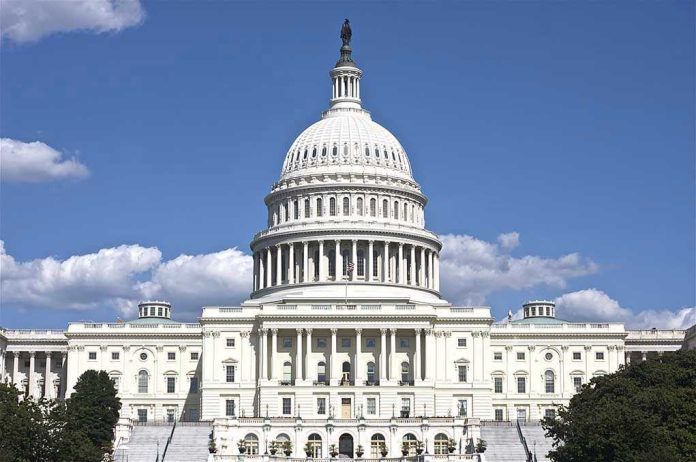
Democratic leaders, while critical of Hegseth’s actions, recognize the procedural and political challenges of advancing impeachment in a Republican-dominated House. The allegations point to a broader dissatisfaction with the Trump administration’s military engagements and handling of sensitive operations, drawing sharp lines of accountability and command responsibility within the Pentagon. The impeachment articles, if introduced, would provoke a constitutional debate on the thresholds for cabinet-level misconduct.
Political and Procedural Dynamics
The impeachment push highlights the political maneuverings within Congress. With Republicans controlling the House, the likelihood of the impeachment articles reaching the floor is minimal. Minority Leader Hakeem Jeffries has expressed skepticism, focusing instead on oversight and accountability through other means. The Republican leadership, aligned with President Trump, is expected to protect Hegseth, presenting a united front against what they perceive as a politically motivated attack.
President Trump’s influence over congressional Republicans plays a critical role in shaping the House’s response. The administration’s stance is to maintain cabinet cohesion and resist any actions perceived as undermining its national security team. This dynamic underscores the broader partisan conflicts over foreign policy and military accountability.
Broader Implications and Expert Perspectives
Beyond the immediate political theater, the impeachment effort could have significant implications for civil-military relations and the use of impeachment as a legislative tool. The allegations against Hegseth raise critical questions about the accountability of cabinet officials for military actions and the appropriate mechanisms for addressing potential misconduct. These discussions could lead to legislative reforms to clarify the reporting and accountability processes for military operations.
Experts in constitutional law and military policy emphasize the rarity of cabinet-level impeachments and the high evidentiary standards required for such actions. They argue that while policy disagreements exist, actual “high crimes and misdemeanors” must be proven to justify impeachment. Additionally, international legal specialists may scrutinize the Venezuelan strikes’ legality under the law of armed conflict, examining proportionality and civilian impact.
Impact on U.S. International Standing
Internationally, the impeachment discourse and allegations of war crimes could affect the U.S.’s moral authority and diplomatic leverage. Foreign governments and non-state actors might use these developments to challenge American credibility in multilateral settings, emphasizing the importance of transparent and accountable military operations. These potential repercussions highlight the intricate balance between national security interests and adherence to international humanitarian standards.
The unfolding situation around Hegseth’s impeachment is a reminder of the complexities involved in managing military accountability and the political dynamics that influence such decisions. As the story develops, it will be crucial to monitor how these factors shape the broader narrative surrounding U.S. military policy and governance.