
Iran’s biggest protests in years did not start with fiery speeches or political manifestos, but with a currency so broken that bread and gasoline suddenly became luxuries.
Story Snapshot
- Economic anger over a collapsing rial morphed into open calls to end Iran’s ruling system.
- Protesters shifted from big, static crowds to fast, scattered actions that security forces struggle to contain.
- Regime leaders answered with internet blackouts, mass arrests, and deadly force in multiple cities.
- The standoff now pits centralized power against a decentralized, learning protest movement with long-term stakes for Iran and the region.
How a Currency Crash Ignited a Political Firestorm
Tehran’s Grand Bazaar is where this latest chapter began: merchants watching the rial plunge to around 1.42 million per US dollar, then watching their customers disappear. When food prices and fuel costs spiked again in late December 2025, shopkeepers shut their doors and spilled into the streets, not as revolutionaries but as people who could no longer do honest business. Within days, that economic roar turned into something sharper than a complaint about prices.
Chants that started with anger over inflation quickly named names: Ali Khamenei, the Islamic Republic itself, the entire structure that insulated the ruling elite from the chaos they created. That shift matters for any observer who values accountability, limited government, and the basic idea that leaders answer to the people they tax and regulate. These protesters are not asking technocrats to fine-tune policy; they are questioning who has the right to rule in the first place.
Iran Witnesses Biggest Protests So Far As Demonstrators Change Tactics https://t.co/aWp1CGRH07 Iran Protests Enter Twelfth Day as Deadly Crackdown, Internet Blackout, and Nationwide Strikes Intensify https://t.co/ZfCnVw7QCG
— 'ℳ' .。.:*・🦋®︎ (@Quincampoix_jp) January 9, 2026
From Mass Rallies to Swarming Tactics in the Streets
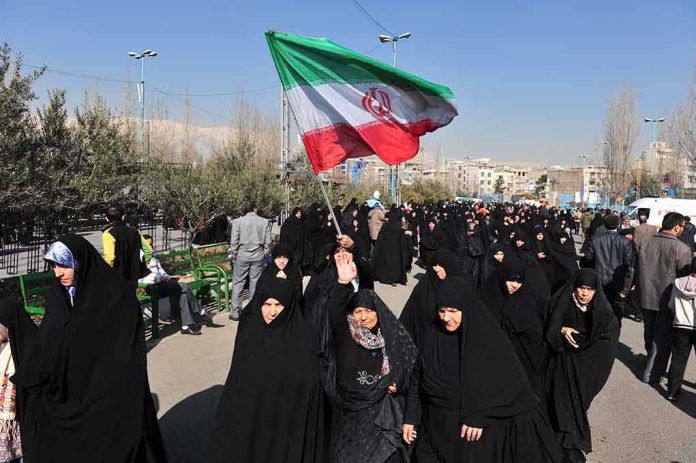
Iran’s rulers knew how to face one big crowd in one big square; they proved that in 2009, 2019, and 2022, often at horrific human cost. What they face now looks different. Protesters assemble for short bursts, move quickly, melt into side streets, and reappear miles away. Students rally on campuses while bazaars stage strikes, workers disrupt markets, and ordinary residents shout slogans from windows and rooftops after dark.
Security forces cannot be everywhere at once, even with the IRGC, Basij, and special police units deployed across dozens of provinces. The regime responded with a familiar authoritarian toolkit: internet shutdowns, blocked international calls, raids on hospitals, and live ammunition in some neighborhoods. Yet, according to human rights monitors, protests still appeared in hundreds of locations and at least 45 universities within the first ten days, despite more than 2,270 detentions and at least 42 deaths.
Clashing Worldviews: Regime Control Versus Popular Accountability
Supreme Leader Khamenei dismissed demonstrators as “rioters” and said they must be “put in their place,” signaling that coercion, not compromise, remains his default answer. That stance aligns with decades of centralized clerical control, backed by armed organs that have little patience for pluralism or dissent. For Americans who prize checks and balances and peaceful change of power, this model is the definition of what concentrated, unaccountable authority looks like when cornered.
On the other side stand bazaar merchants, students, professionals, and urban poor who carry most of the economic burden and almost none of the political power. Many now embrace slogans that reject both hardliners and cosmetic reform, echoing earlier waves but with less faith that the system can fix itself. Exiled opposition groups like the NCRI cast the moment as a nationwide uprising, while diaspora figures such as Reza Pahlavi urge synchronized protests from rooftops and windows, turning private frustration into a public chorus.
Why These Protests Matter Beyond Iran’s Borders
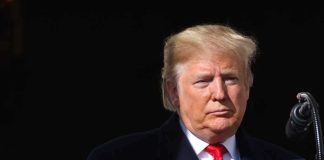
Foreign capitals cannot ignore a state that juggles internal unrest, a collapsing currency, and regional adventurism at the same time. Washington already tied its rhetoric about human rights to deterrent threats, with President Trump warning that the United States would respond if Iran “violently kills peaceful protesters,” framing the unrest in light of recent strikes on Iranian nuclear sites. For conservatives who see foreign policy through strength, deterrence, and moral clarity, that linkage will look appropriate, even overdue.
Regional adversaries and partners alike now have to account for a government that expends precious resources repressing its own citizens while trying to project power abroad. Every additional internet blackout, every televised confession, and every volley of tear gas deepens the gulf between rulers and ruled. Protesters’ shift to agile, decentralized tactics suggests this won’t be the last time that gulf spills into the streets, no matter how forcefully the state insists it has restored order.
Sources:
A timeline of how the protests in Iran unfolded and grew
Iran News in Brief – January 7, 2026
Iran’s new wave of protests prompt hospital raids, internet shutdowns
Iran protests enter critical phase as regime crosses political threshold