Israeli strikes in Gaza killed at least four people, including two children, in a single day, underscoring the human cost of a war fought in crowded neighborhoods.
Story Snapshot
- Health officials in Gaza reported two children among at least four people killed by Israeli fire.
- The Israeli military said it targeted militants and referenced a strike in Deir al-Balah aimed at a Hamas figure.
- Civilian deaths in Gaza have recurred across months of fighting, with repeated reports of children killed.
- Urban warfare and dense housing keep driving high civilian risk, despite stated efforts to hit military targets.
What Happened: Fatal Strikes And Conflicting Aims
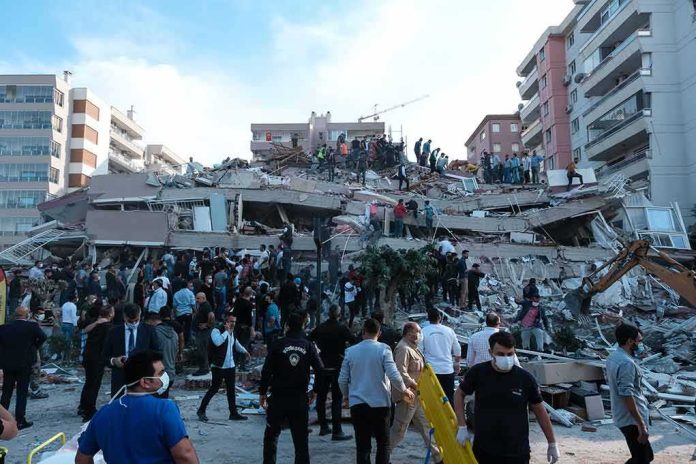
Gaza health officials said Israeli airstrikes and gunfire killed at least four people on Monday, including two young children. Israeli forces said they aimed at militants and referenced a strike in Deir al-Balah that targeted a Hamas member. These reports followed months of similar incidents, where the military names a militant target and local medics list civilians among the dead. The pattern has become familiar and grim, with families caught near claimed militant sites or moving through crowded streets.
Past episodes show the same split between intent and outcome. Reuters reported strikes that killed a man, his wife, and their six-year-old daughter in July, amid talks on a ceasefire that have struggled to hold. Another Reuters account in June said an airstrike in central Gaza killed three people, including a child, even as a ceasefire was officially in place. Medics and rescue teams often reach scenes first, while the military issues target details later, if at all.
Why It Keeps Happening: War In Crowded Cities
Urban war magnifies risk. Gaza’s dense housing, narrow streets, and civilian shelters make clean targeting difficult. Independent monitoring has described heavy civilian tolls during intense strike periods, with thousands of noncombatants reported killed in short windows of the war. Analysts have explained that local authorities report deaths quickly, while militaries share narrower details about targets and precautions, leading to different stories from each side after every blast.
That base reality frustrates people across the political spectrum. Voters see advanced weapons and big budgets, yet children still die. Many conclude that leaders talk about “precision” and “values” but fail on the ground. This drives a common worry on the right and left: institutions seem more focused on messaging than on results that protect human life. Each new strike that kills a child adds to that distrust, regardless of which party speaks for Washington.
The Broader Record: Repeated Civilian Deaths
Documented cases show recurring harm to families. Reuters has reported multiple incidents this year in which children died in Israeli strikes across central and southern Gaza. Another Reuters report described an air attack that killed a family of six, including four children, when their home caught fire. These accounts line up with the day-to-day updates from medics and rescue workers who carry bodies from rubble and note names and ages for hospital logs.
A four-year-old child was among those killed in recent Israeli airstrikes in central Gaza, according to Palestinian health officials cited by Reuters. Israel said the strikes followed what it described as launches of balloons, drones and kites from Gaza.
Whatever the stated…
— Noor Elan (@Noor_Elan_) August 24, 2026
Israel’s military continues to say it targets militants, commanders, and weapons infrastructure. In Monday’s case, it cited a Hamas figure in Deir al-Balah as the aim. But even precise weapons can cause wide damage in tight areas. As long as combat happens near apartments, clinics, and markets, civilians will face danger. That is the core tension: stated military goals collide with the lived reality of families who cannot escape the blast radius in time.
What It Means For Americans: Power, Promises, And Accountability
American taxpayers fund parts of this conflict through security aid, while leaders from both parties promise humane results. Many citizens now ask a plain question: If our money and influence cannot stop kids from dying, what are we paying for? The answer matters beyond Gaza. It speaks to a broader sense that the federal government and allied institutions talk tough, spend big, and still fall short where it counts most—protecting innocent life at home and abroad.
Sources:
amnesty.org, reuters.com, bbc.com