

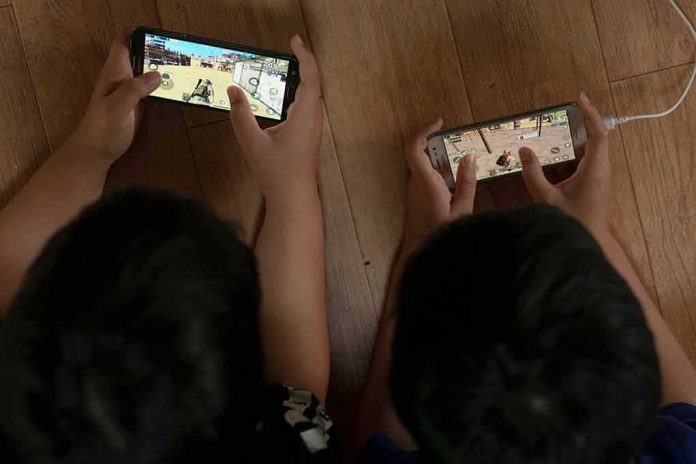
Senators from both parties said Roblox has been linked to child grooming, abuse, and even real-world crimes, and they want tougher rules now.
Story Snapshot
- Senate panel held a hearing on child risks in Roblox and online gaming, citing grooming and abuse claims.
- Bipartisan letters pressed Roblox on arrests tied to the platform and on sexual-exploitation reports.
- New legislation would make it easier for families to sue and demand platform design changes.
- Child-safety groups urged stronger age checks, safer chat defaults, and clearer parental tools.
Senate hearing spotlights reported harms and policy gaps
Senators convened a Judiciary Subcommittee hearing to examine how Roblox and online games may expose children to grooming and sexual exploitation. The hearing title framed these platforms as “digital playgrounds” that can endanger kids. Lawmakers pointed to arrests and court filings where predators met children on Roblox, and to reports of attempts to move chats off-platform. Advocates and survivors described how real-time chat, anonymity, and easy contact can speed up targeting and abuse. The panel’s focus was on concrete safety outcomes, not slogans.
The hearing follows a bipartisan push. Senators Josh Hawley and Dick Durbin pressed Roblox in letters about how many sexual-exploitation and predation reports it received in recent years, and how it handled them. They also flagged cases where suspects allegedly used Roblox to groom children for in-person meetings and to trade child sexual-abuse material. The senators framed the problem as broader than bad actors alone. They questioned whether platform design and defaults increase foreseeable risks to minors.
Proposed legislation aims at product design and legal remedies
Lawmakers discussed bills to ease the path for families to sue platforms when children are harmed and to push safer defaults around communication features. The proposals would align with recent cases and enforcement actions that separate liability for user posts from claims focused on a company’s own design choices and representations. This legal shift mirrors actions against other gaming and social platforms over on-by-default voice and chat settings and weak parental controls that regulators said exposed kids to harm.
Federal regulators have also moved. The Federal Trade Commission secured major settlements with Epic Games over alleged design choices, including default settings that let minors communicate with strangers and made unwanted charges easier. Those actions forced product changes and large payments to consumers. The agency’s guidance on the Children’s Online Privacy Protection Act stresses parental consent, data limits, and transparency for services used by children under 13. Together, these steps show growing pressure to engineer safety into products rather than rely only on moderation after the fact.
Roblox’s stated safeguards and what advocates still want
Roblox says it has strict policies banning grooming and child sexual-exploitation material, uses filters and human review at scale, and limits chat by age and by trusted friends. The company says it requires age checks for many communication features and offers parental controls to restrict who can contact a child account. Roblox describes proactive reporting to law enforcement when it detects threats and says it is expanding age estimation to keep adults and minors apart by default.
Child-safety advocates told senators that strong policies on paper are not enough when simple workarounds remain. They urged independent age assurance, locked-down default chat for young users, and clear, easy-to-use parental tools. They also called for fast response when grooming patterns appear, and for limits on features that let adults find or message minors in real time. A 2025 review found grooming is a major contact risk in gaming because real-time chat can build trust quickly, even if other apps appear more common in surveys of abuse experiences. Advocates argued design must reflect that risk.
Why this matters to families across the political spectrum
Parents on the right and left share a core worry: children face serious risks online, and big platforms often fix problems only after public pressure. Senators argued that companies should not profit from designs that expose kids to danger while families bear the costs. That view echoes wider frustrations with powerful institutions that seem slow to act until forced by hearings, lawsuits, or fines. Families want guardrails that work before harm happens, not apologies after.
9/15
Blackburn: Thank you, Mr. Chairman. And thank you to our witnesses for being here today. I met earlier today with parents that had lost their children online. And of course, Senator Blumenthal and I have worked for years on the Kids Online Safety Act. But I know we have so…— corgo (@wordsdematthew) November 17, 2026
The policy path is becoming clearer. Congress is weighing bills that target platform design and give families a fair shot in court. Regulators have shown they will impose changes and penalties when defaults put kids at risk. Roblox has outlined stronger age checks, stricter chat controls, and law-enforcement cooperation. The test now is execution. Parents will judge progress by whether a child can log on, play, and log off safely—without a stranger getting through.
Sources:
youtube.com, sfchronicle.com, judiciary.senate.gov, congress.gov, hawley.senate.gov, kttn.com, about.roblox.com, search.ftc.gov, ftc.gov, globalfreedomofexpression.columbia.edu, inforrm.org