

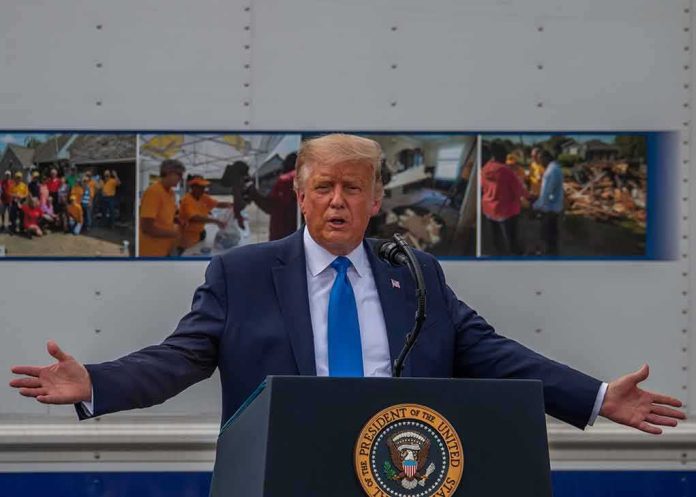
President Trump met China’s Xi Jinping planeside at Joint Base Andrews, signaling a high-stakes state visit built on maximum honors and tight choreography.
Story Highlights
- Trump greeted Xi at the airport, a rare honor in U.S. diplomacy.
- Three-day state visit includes a formal arrival, talks, and a state dinner.
- White House emphasized the long gap since Xi’s last state visit to Washington.
- Protocol signals respect even amid tension, by design of a state visit.
Planeside Greeting Underscores Status and Stakes
President Trump greeted Chinese President Xi Jinping at Joint Base Andrews on Wednesday, meeting him at the aircraft stairs before the motorcade left the base. Reporters described the planeside welcome as a rare honor used to send a clear message of respect at the start of a state visit. The airport greeting set the tone for a tightly planned schedule of events in Washington over the next two days of formal meetings and ceremonies.
Senior officials said Trump planned to personally welcome Xi on arrival and then host a sequence of official events at the White House. The plan features an arrival ceremony, formal talks, expanded meetings with advisers, and a state dinner as the ceremonial capstone. The White House framed the visit as a concentrated push to manage difficult issues while projecting steadiness in the relationship through traditional protocol and symbolism.
What Makes a State Visit Different
Diplomatic experts define a state visit as the highest, most ceremonial form of engagement between two countries. The host nation’s head of state invites and receives the visiting head of state with full honors to signal respect and the value of the relationship. Typical elements include an official arrival ceremony, national anthems, military honors, a state luncheon, and a state dinner that showcases culture and alliance-building through pageantry and protocol.
The formal structure is not decoration; it serves clear goals. Choreography helps both sides show status while compartmentalizing disputes for talks behind closed doors. Arrival optics, seating charts, and who greets whom all carry messages about standing and leverage. That is why an airport greeting by the host leader, as seen here, draws attention. It is meant to show serious intent even when the policy agenda is tense or complex.
Why This Visit Matters Now
The White House highlighted that this trip comes more than a decade after Xi’s last state visit to the White House, underscoring a reset in face-to-face engagement. The long gap increases the weight of each protocol choice and message sent during the three-day program. For many Americans, the ceremony can feel distant from daily struggles, yet these events can influence trade flows, security talks, and rules that touch jobs, prices, and technology at home.
🚨 BREAKING: President Xi Jinping has arrived at Joint Base Andrews, and President Trump personally greeted him on the tarmac.
The welcome included a red carpet, military honors and a flyover as Xi begins a three-day state visit focused on trade, AI and security.
The visual is… https://t.co/4uCMqMAIPA
— EDDIE GO ™ (@goeddie555) September 24, 2026
Both the left and the right worry that powerful insiders often run foreign policy on autopilot. This visit shows how symbolic gestures and backroom talks move in tandem. Leaders use pageantry to lower the temperature, then test room for deals. The public will judge outcomes by results they can feel: fairer trade, safer supply chains, and clear rules for technology. Ceremony is the headline today, but delivery will decide whether this mattered beyond the photos.
Sources:
youtube.com, en.cibercuba.com, english.ahram.org.eg, news.tvb.com, modeldiplomat.com