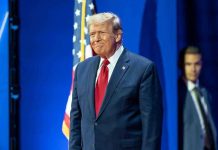

A viral claim tying “Operation Epic Fury” to Google’s Epstein autosuggest has been trending— it’s still shaping how Americans talk about war, and trust in institutions.
Quick Take
- “Operation Epic Fury” appears in reporting as a Trump-authorized counterterrorism operation targeting Iran, alongside heightened domestic security alerts.
- Separate reporting and public debate continue around Epstein-related files, subpoenas, and political pressure to disclose information.
- Social media posts amplified the narrative anyway, illustrating how rumor can outrun verification in a high-stakes news cycle.
The Viral Narrative vs. What the Research Actually Supports
The user’s research summary is blunt: the premise that President Trump insisted on naming “Operation Epic Fury” to prevent Google from autosuggesting “Epstein”. Instead, the available material discusses two separate tracks—national security reporting about an Iran-focused operation and separate coverage about Trump-related questions involving Epstein files.
That distinction matters for readers trying to separate hard facts from political internet theater. A provocative angle can feel believable because it “sounds like” modern media manipulation, but credibility still requires sourcing that shows who said what, when, and where. In the provided research, that connective evidence is missing. Without a direct statement, an official record, or corroborated reporting, responsible coverage has to treat the autosuggest motive as speculation rather than established truth.
What “Operation Epic Fury” Reporting Emphasizes: Iran and Homeland Threat Alerts
The research points to “Operation Epic Fury” being referenced as a counterterrorism operation against Iran that President Trump authorized. The available description frames Iran as “a known state sponsor of terror,” while also highlighting a security posture at home—FBI and Department of Homeland Security alerts warning of potential homeland threats. Those details, as summarized, place the operation inside a classic national security context, not an internet-search narrative about reputational management.
For a conservative audience wary of global instability, the central question becomes policy clarity and constitutional steadiness during a security escalation. When federal agencies elevate threat awareness, Americans naturally want transparency on objectives, rules of engagement, and the limits of executive power. The research provided does not supply operational specifics beyond the broad framing, so claims about motives for naming, internal deliberations, or information warfare tactics cannot be responsibly asserted from this record alone.
Epstein-File Politics Continues on a Separate Track
In parallel, the research set includes material focused on Epstein-related controversy—Trump’s relationship with Epstein, and political pressure involving subpoenas and “Epstein files” disclosures. Those items are inherently combustible because they mix criminal scandal, elite networks, and public distrust of institutional gatekeeping. The provided summary describes ongoing controversy around release decisions and congressional interest, but it does not establish any factual bridge connecting those issues to the naming of a military operation.
That separation is precisely why readers should be cautious when social media merges two emotionally charged topics into one neat storyline. “Operation name chosen to influence Google” is a claim that would require unusually strong documentation—direct quotes, verified memos, or credible reporting from outlets that can show sourcing. The research explicitly states no such evidence appears in the results reviewed. Without it, the responsible conclusion is that the claim is, at best, unproven.
How Social Media Turns a Gap in Evidence Into “Common Knowledge”
The social posts provided show how quickly a single framing can spread—especially when it flatters existing suspicions about media manipulation, tech power, and establishment cover-ups. Once a catchy explanation takes off, it can become “common knowledge” regardless of whether anyone can produce primary evidence. That dynamic can distort public judgment at the exact moment Americans most need clarity: when national security decisions and domestic constitutional expectations are both under pressure.
Conservatives who value limited government and accountability should demand a higher standard from every side. If a claim is true, it can be proven with credible documentation. If it is false, repeating it only helps the same misinformation cycle that Americans have watched weaponize politics for years. Based on the user’s research summary, the most defensible takeaway is simple: “Epic Fury” and Epstein are being discussed in the same online breath, but the provided evidence does not support a causal link.
Sources:
Relationship of Donald Trump and Jeffrey Epstein
Trump says ‘very innocent’ Lutnick will comply if subpoena hits in Epstein files probe
After Epic Fury: how to defend America’s security values in a dangerous world
Trump promised the MAGA base ‘no new wars.’ Then he went to war with Iran