The most dangerous part of this storm wasn’t the snow—it was the second hit arriving while tens of thousands of families still sat in the dark.
Story Snapshot
- A bomb cyclone-style system threatened the East Coast on January 31, 2026, piling new hazards onto communities still buried from the prior week.
- Cold drove the emergency: brutal wind chills, record-chasing temperatures, and extended outages turned routine winter weather into a life-safety crisis.
- The South faced a familiar weak spot: places that rarely see heavy snow lacked equipment, road treatment capacity, and household cold-weather readiness.
- Governors pushed utilities for timelines and transparency as restoration lagged, especially in Mississippi, Tennessee, and parts of Louisiana.
A “Second Punch” Storm Over an Already-Strained Region
Forecasters warned that the January 31 system would bring howling winds, heavy snow, and flooding to an East Coast still digging out from the previous week’s winter blast. That sequencing mattered more than any single forecast map. The region carried existing damage, iced lines, and exhausted crews, so fresh snowfall and wind risked resetting the clock on recovery. About 240 million people sat under some form of cold-weather advisory or winter storm warning.
Bomb cyclone language grabs attention because it signals rapid intensification and serious wind. Wind turns snow into a visibility problem, then a travel problem, then a rescue problem. When the Carolinas faced blizzard conditions, the issue wasn’t just inches; it was drifting, whiteouts, and the kind of road gridlock that keeps ambulances from moving. Each additional hour stranded cars and delayed repairs, which is how a weather story becomes a public safety story.
Why the South Struggles When Snow Shows Up Uninvited
Snow in the South exposes a simple truth: preparedness follows frequency. Myrtle Beach expected around six inches while having no snow removal equipment, a detail that sounds almost comedic until you picture a medical call with impassable roads. Cities that rarely budget for plows also tend to have fewer salt stockpiles and less institutional muscle memory for closures, detours, and warming centers. People improvise, and improvisation becomes risk when temperatures stay below freezing for days.
The South’s housing stock and household habits also differ from the Upper Midwest. A Northerner hears “single digits” and checks the basement pipes; a Floridian may not own the layered clothing that makes an outdoor walk survivable when wind chills plunge. This storm shoved cold far enough south that parts of Southern Florida faced their coldest air in decades, with record-setting potential on Sunday and Monday. That kind of anomaly punishes the unprepared fast.
Power Outages Turn a Weather Emergency Into a Human Emergency
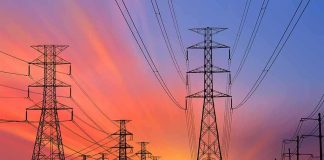
Cold kills more quietly than wind, and the January 2026 event made that brutally clear. More than 127,000 homes and businesses remained without power as of January 31, with major concentrations in Mississippi and Tennessee. In Nashville alone, more than 47,000 customers were without electricity, some since January 26. When heat goes out and outside temperatures keep falling, the house stops being shelter and starts becoming a refrigerator.
Seventy-six deaths were reported across states from Texas to New Jersey, with causes including hypothermia, exposure, carbon monoxide poisoning, and accidents. The carbon monoxide piece is the one that should stop every reader cold. People trying to keep families warm resorted to dangerous workarounds—propane tanks, improvised burners, even fish fryers. Common sense says the risk rises with every extra night an outage drags on, especially when the next storm looms.
Accountability Fights Erupt When Utilities Can’t Name the Finish Line
Utility crews don’t control the weather, but they do control communication, staging, and mutual aid planning. That’s why the political heat rose as physical temperatures fell. Tennessee Gov. Bill Lee publicly demanded clearer timelines, transparency on the number of linemen deployed, and a better understanding of when work would finish. Utilities defended the response by calling conditions “unprecedented,” a claim that may explain the scale but doesn’t excuse opaque updates to people rationing propane.
American conservative instincts tend to favor competence over theatrics: do the basics, tell the truth, fix the problem. When families can’t get a straight restoration estimate, they can’t make rational choices about leaving, finding warming centers, or protecting elderly relatives. “Unprecedented” can be real and still be insufficient as a management answer. A storm doesn’t grade you on effort; it grades you on outcomes, especially for vulnerable residents on fixed incomes.
The Storm’s Hidden Lesson: Multi-Hazard Weather Is the New Normal Test
The January event spanned a dizzying mix of hazards across regions: tornadoes in parts of the South during the storm’s earlier evolution, then a transition into a nor’easter near New England, then a secondary threat while recovery remained incomplete. Meteorologists described it as potentially historic, at one point stretching roughly 2,000 miles from the Mexico-U.S. border into eastern Canada. Twenty-four governors issued emergency declarations, a signal that planners saw cascading risk, not a one-day inconvenience.
The practical lesson isn’t abstract climate debate; it’s operational readiness. States that rarely fund snow response may need regional agreements for equipment and road treatment, like wildfire mutual aid but for ice and heavy snow. Households need boring, old-school redundancy: working detectors, safe backup heat plans, and a willingness to leave early when the grid can’t recover quickly. The next storm always looks manageable—until it arrives before the last one leaves.
https://twitter.com/WGNMorningNews/status/2017637246997041546
West Virginia’s minus 27 degrees underscored the point: winter weather doesn’t need drama to be lethal. The real threat came from overlap—snow on top of snow, cold on top of outages, and wind on top of damaged lines. Communities that treat rare storms as one-off freak events will keep relearning the same lesson at higher cost. Resilience starts with plain talk, realistic planning, and leaders who demand measurable performance when it matters most.
Sources:
CBS News – East Coast storm: Winter weather bomb cyclone brings wind, snow, and cold
Wikipedia – January 2026 North American winter storm