
Australia’s decades-long gamble on energy dependence is now leaving drivers stranded at empty pumps as Iran’s blockade of a distant Middle Eastern waterway exposes a national security failure no one wanted to acknowledge.
Story Snapshot
- Hundreds of gas stations across Australia have run dry, with at least 107 in New South Wales alone out of diesel as Iran’s Strait of Hormuz blockade chokes global oil supply.
- Australia holds only 26 to 29 days of fuel reserves, down from 310 days in 2002, forcing the government to release 20% of national stockpiles and lower fuel quality standards for 60 days.
- The nation now relies on 90% imported oil after closing six of its eight refineries, leaving it vulnerable to geopolitical shocks 6,000 miles away.
- Fuel prices have spiked nearly 50 cents per liter, with experts warning rationing could begin within 30 days if the blockade continues.
- Regional and rural communities face the harshest shortages while politicians trade blame over energy policy failures that turned a stable fuel supply into a national crisis.
The Collapse of Australian Energy Independence
Australia once boasted eight domestic oil refineries humming with self-sufficiency. Today, only two remain operational: Viva Energy in Geelong and Ampol Lytton in Brisbane. The rest closed as domestic oil resources dwindled and operators chased cheaper overseas alternatives. This strategic retreat left the nation importing 90% of its oil from Singapore, South Korea, Malaysia, and Taiwan. When Iran decided to seal the Strait of Hormuz on February 28, blocking 20% of the world’s seaborne oil, Australia discovered it had bet its fuel security on the kindness of global shipping lanes and the stability of the Middle East. Neither proved reliable.
Panic Buying Turns Vulnerability Into Emergency
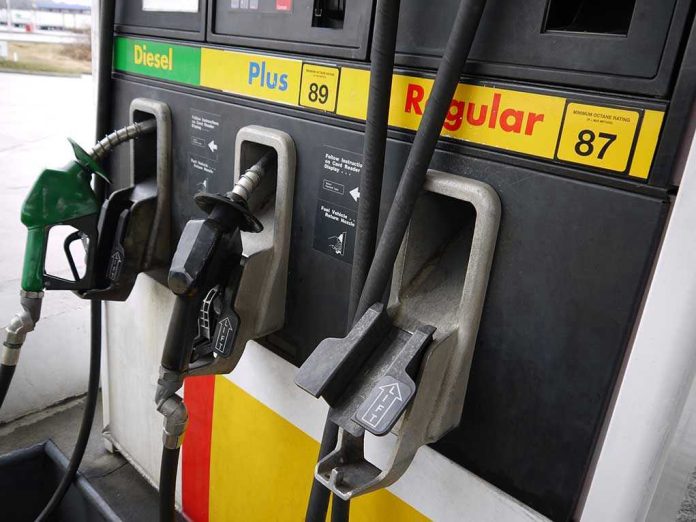
The blockade did not merely squeeze supply; it triggered a psychological stampede. As prices jumped nearly 50 cents per liter in major cities by mid-March, Australians rushed to fill every available tank and jerry can. Regional areas suffered first and worst. Small towns watched their lone service stations post “No Fuel” signs while urban centers, though strained, maintained fragile supplies. At least 107 stations in New South Wales ran completely dry of diesel, stranding truckers and farmers. Independent rural distributors, already operating on thin margins, found themselves unable to secure deliveries as imports stalled and panic drained local reserves faster than any projection anticipated.
Energy Minister Chris Bowen declared a national crisis and authorized the release of 762 million liters, representing 20% of national reserves. He also lowered fuel quality standards for 60 days, allowing higher-sulphur imports to add 100 million liters monthly. Bowen urged Australians to stop hoarding, insisting imports remained functional despite pressure. Yet overnight Iranian attacks on three oil tankers attempting the Hormuz passage, coupled with Supreme Leader Mojtaba Khamenei’s vow to keep the strait closed, pushed crude oil prices toward $200 per barrel. Bowen ruled out rationing for now but admitted preparations were underway should the conflict drag on.
Why Australia’s Fuel Reserves Evaporated
Australia’s fuel reserves once stretched 310 days in 2002. Today, the country holds roughly 26 days of diesel, 29 days of petrol, and 32 days of jet fuel, depending on measurement methods. This collapse stems from refinery closures, policy neglect, and complacency born of decades without serious supply disruptions. After the 2022 Ukraine war, the government introduced Minimum Stock Obligations to slow reserve depletion, but these measures proved insufficient. Expected ship arrivals from regional refineries clashed with surging domestic demand, exposing the fragility of just-in-time fuel logistics. The International Energy Agency recommends 90 days of reserves; Australia sits well below that, leaving no buffer against shocks like the Hormuz blockade.
Political Blame and Strategic Failures
Opposition Leader Angus Taylor seized the crisis to hammer the Labor government, calling the shortages evidence of mismanagement and blaming climate policies for refinery closures. Barnaby Joyce, a One Nation MP, accused successive governments of abandoning energy security in favor of green agendas, demanding immediate refinery revival. Former BP Australasia president Greg Bourne warned rationing could arrive within 30 days if the blockade persists, noting Australia lacks the physical infrastructure to respond quickly. Dr. Lurion De Mello from Macquarie University detailed the math behind the reserve collapse, underscoring how import dependence turned a foreign crisis into a domestic emergency. The political theater obscures a deeper truth: both major parties presided over the dismantling of Australia’s refining capacity without building resilience to replace it.
Economic and Social Fallout Spreading
Fuel shortages ripple far beyond inconvenience at the pump. Transport costs surge, driving inflation that hits every household budget. Regional economies dependent on trucking, farming, and aviation face immediate disruption. The cost-of-living crisis intensifies as food and goods prices climb alongside fuel. Social equity concerns arise as panic buying favors those with resources to stockpile, leaving lower-income families and rural residents scrambling. The International Energy Agency chief labeled the Hormuz closure a major threat to the global economy, noting no nation enjoys immunity. For Australia, the threat is existential, exposing how energy security neglect transforms geopolitical tension into domestic hardship.
"Hundreds Of Gas Stations Run Dry In Australia As Hormuz Shock Exposes Energy Security Failures"https://t.co/rl9w5CBcVX
— John Mangun (@mangunonmarkets) March 24, 2026
Long-term implications loom larger. If the blockade persists, rationing becomes inevitable, reshaping daily life and economic activity. Pressure mounts to rebuild refineries and reserves, investments that would take years and billions to realize. High fuel prices may become the new normal if Iran sustains its closure, forcing structural changes in transportation and industry. The crisis also reignites debates over energy policy, pitting climate goals against security needs in ways that demand honest reckoning rather than partisan posturing. Australia’s fuel crisis is a cautionary tale of strategic drift, where short-term savings and ideological commitments overrode the unglamorous work of maintaining resilience. The empty pumps are not just a supply problem; they are a policy failure decades in the making.
Sources:
Australia fuel shortage 2026 – SBS News
Fuel stations run out of diesel across Australia’s NSW – Argus Media
Could Australia run out of petrol – Macquarie University
Global economy under major threat from Strait of Hormuz crisis IEA chief – LCA News