

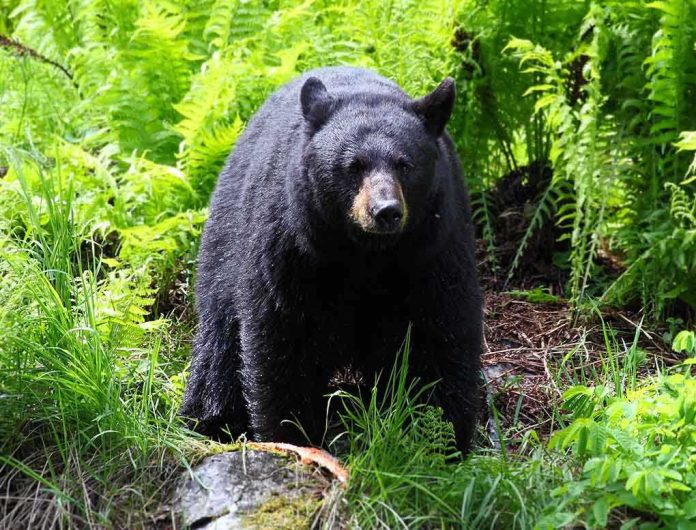
Solo hiker mauled by grizzly in Yellowstone exposes federal park mismanagement, prioritizing bear habitats over American visitors’ safety.
Story Snapshot
- 29-year-old male hiking alone suffered chest and arm injuries from likely grizzly attack on September 16, 2025, in Pelican Valley Bear Management Area.
- National Park Service closed trail indefinitely, took no action against bear despite defensive attack in high-risk zone requiring groups of four.
- Incident highlights rare but preventable risks from booming grizzly populations and solo hiking violations.
- NPS emphasizes bear spray use and group hiking, yet visitors question if federal policies value wildlife over human lives.
Incident Details
On September 16, 2025, a 29-year-old man hiking solo on Turbid Lake Trail, 2.5 miles from Pelican Valley Trailhead, encountered a bear near Turbid Lake. He deployed bear spray but sustained significant non-life-threatening injuries to his chest and left arm. National Park Service medics helped him reach the trailhead. Paramedics transported him to Lake Medical Clinic, then helicopter to a hospital. He was released the next day.
Park Service Response and Trail Closure
Yellowstone rangers confirmed grizzly tracks and a nearby animal carcass attracting bears. The Park Service closed the trail from Lake Butte Trailhead to Pelican Valley intersection indefinitely. DNA analysis on the bear continues, but officials classified the encounter as defensive with no management action planned. Rangers swept the area for other hikers. No further incidents occurred through May 2026.
Background on Bear Management Risks
Pelican Valley designates as a Bear Management Area requiring minimum four-person groups due to high grizzly density. Yellowstone hosts about 700 grizzlies, with populations rising after delisting and relisting cycles. Attacks remain rare—eight fatalities since 1872, mostly pre-1970s. This marks the first injury since a 2021 grizzly mauling of another solo hiker. Fall hyperphagia season elevates risks in remote backcountry.
2 hikers injured in bear attack at Yellowstone National Park https://t.co/Es74f2v7VL pic.twitter.com/w0rMk5Dnk1
— New York Post (@nypost) May 6, 2026
Grizzly Policies Fuel Visitor Frustrations
National Park Service policy since the 1970s prioritizes bears in defensive cases, avoiding euthanasia to preserve populations. Experts note bear spray effectiveness exceeds 90 percent, and group hiking halves risks. Yet visitors and locals question federal overreach when trails close indefinitely, limiting access to public lands paid for by taxpayers. This tension echoes broader elite-driven environmentalism sidelining everyday Americans seeking outdoor freedom.
Conservatives rightly decry how bloated bureaucracies like NPS put animal habitats above human safety, mirroring deep state failures to prioritize citizens. Both left and right agree: government serves elites, not the people struggling for the American Dream amid restricted freedoms.
Sources:
NPS.gov News Release (Sept. 17, 2025)