When aid crawls and even police join the chaos, disaster survivors learn that in the real world of La Guaira, you are on your own.
Story Snapshot
- Powerful earthquakes shattered Venezuela’s La Guaira coast, killing hundreds and leaving thousands without shelter or basics.[1][2]
- As security forces focused on rescue, stores and warehouses were looted for food, water, medicine, and also TVs and appliances.[1][2][4][5]
- Reports show some looters were desperate survivors, while others – including some officers – treated the crisis as a chance for easy theft.[1][3][4][5]
- Slow, limited aid and rising anger echo a wider pattern where governments promise help but everyday people see failure instead.[2][5][6]
Earthquakes Turn La Guaira Into A Zone Of Ruin And Fear
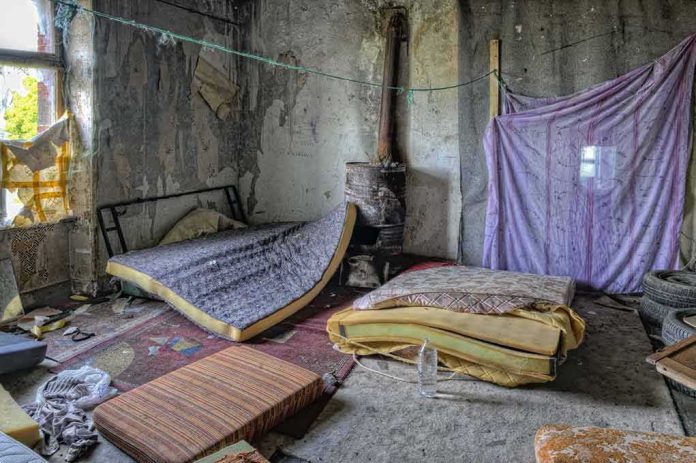
Back-to-back earthquakes, measured at around magnitude 7.2 and 7.5, slammed into Venezuela’s coastal state of La Guaira on June 24 and 25, turning dense neighborhoods into piles of concrete and twisted metal.[1][3] Official death counts range from the high hundreds into the thousands, with thousands more injured and many still missing under rubble.[2][3][5] Families afraid to reenter cracked buildings now sleep outside in streets, parks, medians, and stadiums, exposed to heat, insects, and crime.[2]
Massive power outages and blackouts swept the region after the quakes, knocking out traffic lights, street lamps, and many communications systems.[1] These failures made rescue work slower and more dangerous at the very moment clear information and steady leadership were most needed.[1][5] In this confusion, people in hard-hit towns like Catia La Mar watched rescue teams race to collapsed homes while basic services and order in commercial areas simply disappeared.[1][2]
When Aid Trickles In, Survivors Reach For What They Can Find
Aid reports from La Guaira speak of supplies “trickling in,” not flowing, even several days after the quakes.[2][5][6] Many residents describe slow, meager help from authorities, with limited food, water, and medical support for tens of thousands suddenly homeless.[5][6] Disaster research shows this pattern is common: when logistics fail in the first week, ordinary people often turn to illegal methods to get basics like food, clean water, clothes, blankets, and power sources.[13]
Video and newspaper accounts from Catia La Mar and other neighborhoods show desperate survivors entering damaged supermarkets, warehouses, and shops to carry out bags of food, bottled water, clothing, and medicine.[1][4] One network calls it “desperate looting,” stressing people seeking shelter and survival goods in wrecked buildings.[4] A separate live report quotes a resident who said they could only salvage cookies, water, and underwear from their own damaged building, calling these “bare essentials” for the first hours.[5]
Lines Blur Between Survival, Crime, And State Failure
At the same time, many scenes in La Guaira clearly go beyond survival needs. Night footage shows swarms of motorcycles loading refrigerators, televisions, and other appliances from ruined stores, racing away through dark streets.[2] One video describes furniture, appliances, and electronics taken alongside food and medicine, signaling both hunger and “crime of opportunity” behavior as order breaks down.[1][5][7] A small shop owner told reporters that not even the cables inside his store were left behind after thieves swept through.[5][6]
Several reports say “some people have taken advantage of the disaster,” while others sharply condemn the actions as opportunistic looting and theft.[1][2][5][6] That framing matters. Disaster scholars warn that media often paints a picture of mass criminal looting, even when most post-disaster behavior is neighbors helping each other and sharing what they take.[13][14][15] Still, in La Guaira there is documented theft of non-essential valuables, which supports those who see this as more than simple hunger.[1][2][5]
Security Forces Under Fire: Protectors, Bystanders, Or Looters?
Official statements say looting began when security forces and rescue teams were focused on saving lives in collapsed homes, leaving commercial areas largely unguarded.[1][2] The government declared a state of emergency and deployed military units to “stabilize” the region, a move that legally backs harsh action against anyone taking goods without permission, no matter their need.[1][3] In practice, that means frightened parents grabbing baby formula are treated the same as gangs hauling out flat-screen televisions.
🇻🇪 Venezuelan police officers were caught looting in the aftermath of the earthquake
Residents are filming officers loading numerous boxes of goods into the police vehicles
"Local government in La Guaira will be militarized and additional armed forces would be deployed to… https://t.co/OJceiQdtcI pic.twitter.com/Q1wA8lRkIc
— Lord Bebo (@MyLordBebo) June 28, 2026
Even more troubling, some reports and viral videos accuse law enforcement officers themselves of joining the looting. One outlet describes security forces in quake-hit cities stealing jewelry and other valuables from rubble instead of pulling trapped victims to safety.[3] Social clips show officers on motorcycles carrying boxed televisions while residents shout in anger.[11][18] For many viewers, such images confirm their worst fear: when crisis hits, the people with guns and power may protect their own interests first.
Why This Story Resonates Far Beyond Venezuela
For Americans on both the right and the left, La Guaira’s chaos feels sadly familiar. People see a government that moves fast to declare emergencies and send troops, yet slow to deliver basics like clean water, steady power, and honest information.[2][5][6] They see media quick to label hurting families as “looters,” while corruption, poor planning, and unsafe building rules helped turn a natural disaster into what one report calls an “unnatural” man-made tragedy.[17]
Past events in the same region, like the Vargas tragedy of 1999, already showed how weak infrastructure, risky coastal condos, and hillside shantytowns can magnify storms and quakes into mass death, collapse, and months of looting under martial law.[8][17] Today’s quake and looting crisis repeats that pattern: leaders promise order, but on the ground ordinary people mostly see broken systems, slow aid, and a scramble to survive. For citizens who feel America’s own elites would fail them in a similar way, La Guaira is not a distant story—it is a warning.
Sources:
[1] YouTube – Venezuela quake survivors turn to looting
[2] YouTube – Furniture, Appliances& More Looted In La Guaira
[3] Web – Aid trickles in, survivors sleep outside, and looting breaks out in La …
[4] Web – Reports of looting emerged in Venezuela’s La Guaira region …
[5] Web – Looting Reported After Venezuela Earthquake … – Facebook
[6] Web – June 24-25, 2026 — Venezuela rocked by 7.5 and 7.2 magnitude …
[7] Web – La Guaira, Venezuela in the immediate aftermath of the June 24 …
[8] Web – ED’S FIELD REPORT Following the devastating back-to … – Instagram
[11] Web – ‘They stole everythin’: Looting, theft in Venezuela’s earthquake zone …
[13] Web – La Guaira, Venezuela before and after the earthquake on June 24 …
[14] Web – Venezuela Live Updates: Window Narrowing to Find Survivors as …
[15] Web – On 25 June 2026, the Federal Council took note of the devastating …
[17] Web – Venezuela Earthquake Relief: Unmatched @deptofwar forces and …
[18] Web – Venezuela earthquake: Anger mounts as rescues lag – DW.com