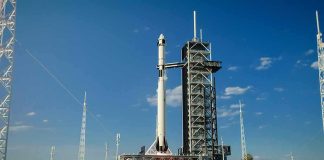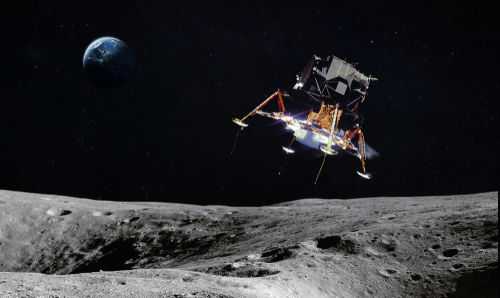
As American astronauts took mankind’s first steps on the Moon, a secret Soviet robot was racing to snatch lunar rocks and get home first.
Story Snapshot
- A Soviet probe called **Luna 15** secretly tried to beat Apollo 11 in returning Moon rocks to Earth[3].
- Soviet leaders shared the probe’s path with NASA to avoid a crash, but hid its true mission[3][5].
- The probe’s landing was delayed over terrain worries, then it slammed into a lunar mountain instead of touching down[1][2].
- The quiet failure shows how elites ran a high‑stakes space race in secret while selling the public a softer story[2][12].
A Secret Race for Moon Rocks
In July 1969, while Americans focused on Apollo 11, Soviet leaders quietly launched **Luna 15**, an unmanned spacecraft meant to grab Moon soil and rush it back to Earth[3]. Luna 15 lifted off three days before Apollo 11, with a clear goal: win the first lunar sample return and steal the headlines if the American landing went wrong[3]. This robotic craft was part of a Soviet sample-return program built by the Lavochkin design bureau, showing Moscow’s push to match or beat US achievements[4].
American astronauts did not even know they were sharing the Moon with a Soviet rival. Neil Armstrong later said the crew knew nothing about Luna 15 or its mission until NASA’s control center told them while they were already on the way to the Moon[1]. Soviet officials had released only the probe’s flight path, not its purpose, so NASA could make sure the two missions would not collide or jam each other’s radios[1][3]. The real aim—bring back rocks first—remained hidden from both the US public and most Soviet citizens.
Close Timing, Sudden Failure
Soviet planners originally wanted Luna 15 to land less than two hours after Apollo 11, turning the day of the first moonwalk into a timed race for samples[1][5]. Once in lunar orbit, however, controllers saw that the planned landing site in Mare Crisium was rough and risky[1][5]. They kept Luna 15 in orbit for about four extra days, studying the terrain and delaying the landing attempt. That caution pushed the timeline back and allowed Armstrong and Buzz Aldrin to finish their walk and start collecting rocks before Luna 15 tried to descend[1].
On July 21, as Apollo 11’s crew prepared to leave the surface, Soviet controllers finally sent Luna 15 down[3][5]. The probe fired its main retrorocket and began descending toward the Moon. A few minutes into the descent, radio contact suddenly stopped when the craft was still several kilometers above the surface[1][6]. Later analysis by NASA engineers and others suggested Luna 15’s descent angle was slightly off, leaving it still moving at about 300 miles per hour when it struck the side of a mountain in Mare Crisium instead of landing safely[1][2][6]. Some scientists have even wondered if controllers chose to crash it on purpose to clear lunar orbit, but no firm proof has been released[2].
What the Space Race Really Looked Like
For everyday citizens, the Moon landing looked like a clean American win and a friendly moment between superpowers. Behind the scenes, it was a tense mix of cooperation and competition. The Soviet Union’s choice to share Luna 15’s flight plan, but hide its mission, shows how elites managed risk between programs while keeping most of the truth from the public[3][5]. Historian work on the wider Space Race shows that Soviet media often hid failures and difficulties, creating a polished image of success that did not match reality[12].
What if a last-second engine glitch forced Apollo 11 to abort its lunar landing? Soviet Luna 15 plants the first flag instead, rewriting the Space Race. Would NASA still exist today? #Apollo11Abort #SpaceRace1969 #MoonLandingWhatIf #ColdWarSpace #WhatIf #WhatIfGlitch pic.twitter.com/f86NloULBP
— what_if_glitch (@what_if_glitch) June 26, 2026
Armstrong later called the race between US and Soviet space programs “intense,” but said it pushed both sides toward science and exploration rather than open conflict[1]. Still, Luna 15’s story makes clear that powerful leaders can run secret contests even while talking about peace and cooperation. Details of the probe’s failure only emerged after the Soviet Union collapsed, as archives slowly opened[2]. That delay fits a broader Cold War pattern where the public learns what really happened—missions, risks, and cover stories—decades after decisions were made by a small group at the top[2][11]. For readers today who worry about a distant “deep state” and unaccountable elites, Luna 15 is a reminder that big national stories often have hidden layers.
Sources:
[1] Web – While Apollo 11 Was on the Moon, a Secret Soviet Probe Was Racing to …
[2] Web – 50 Years Later: Soviet probe raced Apollo 11 to the moon – ABC News
[4] Web – The Soviets Crashed into the Moon While Apollo 11 Was On It
[5] Web – r/nasa – Luna 15: The Soviet Union’s Last Lunar Gamble – Reddit
[6] Web – Luna 15: Lunar Landing – For All Moonkind Moon Registry
[11] Web – Russia Traces Luna-25 Crash to Onboard Control System Failure
[12] YouTube – Russian Space Probe Crashed Into Moon Because It ‘Forgot’ To …