
NPR’s false Alito retirement story lasted only minutes, but the damage was immediate and public.
Quick Take
- NPR retracted its story after saying Justice Samuel Alito was retiring, then corrected the report on air and online.
- The network said correspondent Nina Totenberg misheard remarks about retirements as she left the Supreme Court.
- The Supreme Court said neither Alito nor its public information office had announced a retirement.
- The episode fed fresh doubts about media fact-checking and how fast rumors spread online.
How the false report started
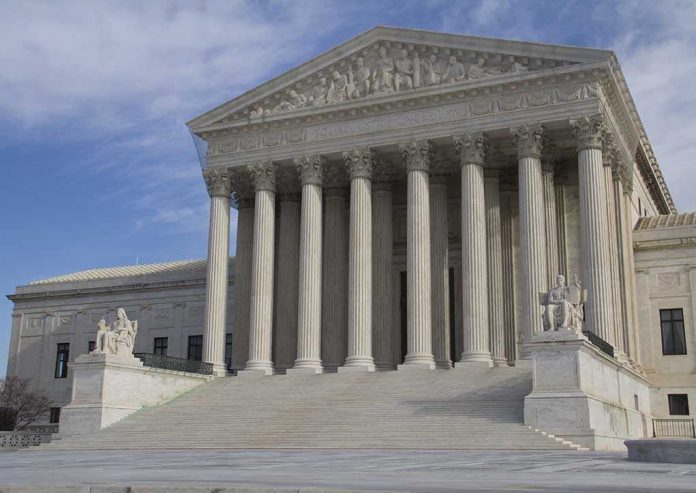
NPR said its Supreme Court and legal affairs correspondent, Nina Totenberg, misheard a statement while leaving the court on Tuesday. The network said Chief Justice John Roberts was announcing upcoming retirements, and Totenberg confused that remark with an Alito announcement. NPR later said the error came from a misunderstanding, not from any retirement notice by Justice Samuel Alito or the Supreme Court Public Information Office.
The retraction was not a small correction buried in fine print. NPR said it removed the story from its website, broadcast an on-air correction, and later had Totenberg explain the mistake on All Things Considered. That matters because the initial report was about one of the most watched seats on the Supreme Court. A false retirement claim can shift public attention in minutes, especially when people expect court changes to affect major policy fights.
Why the correction spread so fast
Once NPR pulled the story, other outlets and social posts quickly repeated the retraction. The correction appeared in reports from multiple news sites, and social posts also pushed the update to wider audiences. That helped limit the damage, but it also showed how fast a major but wrong claim can race ahead of the facts. In this case, the official record was simple: Alito was not retiring, and no court office had announced that he was.
The episode also fits a familiar pattern around the Supreme Court. Rumors about retirements rise when justices are under heavy public scrutiny, and those rumors can move faster than careful reporting. That leaves newsrooms under pressure to publish quickly, while readers are left sorting truth from noise. The result is a trust problem that cuts across politics. People who already distrust major media see another reason to doubt it, while others see a reminder that haste can beat verification.
What the story says about public trust
The Alito mistake matters beyond one headline because it touched a basic civic issue: whether major institutions can still get the facts right the first time. NPR’s correction showed the system can recover, but only after the wrong claim had already spread. The strongest available reporting points to human error and a misheard announcement, not to any confirmed retirement or hidden announcement from the Court.
NPR Issues Swift Retraction on Alito Retirement Claimshttps://t.co/UrRy2mbKzD
— News ADDICTS (@News_Addicts) June 30, 2026
For readers, the sharper lesson is not about Alito alone. It is about how easily a single error can become a national story, especially when it involves the Supreme Court and a justice whose seat could affect the balance of the court. The public got the right answer in the end, but the speed of the mistake shows why trust keeps eroding when news moves faster than verification.
Sources:
reason.com, x.com, reddit.com, npr.org, facebook.com, instagram.com