Venezuela’s quake recovery is already stretching beyond rescue, with the Red Cross warning that the damage will take years to fix.
Quick Take
- Two major earthquakes hit northern Venezuela on June 24 and left widespread destruction across several states.
- The death toll kept rising through the first weeks, while rescue teams and aid groups remained on the ground.
- United Nations agencies described the crisis as a major humanitarian emergency and said recovery would take time.
- Early reports point to severe damage to homes, hospitals, and other vital services, which points to a long rebuild.
Earthquakes Hit Hard and Rescue Work Continues
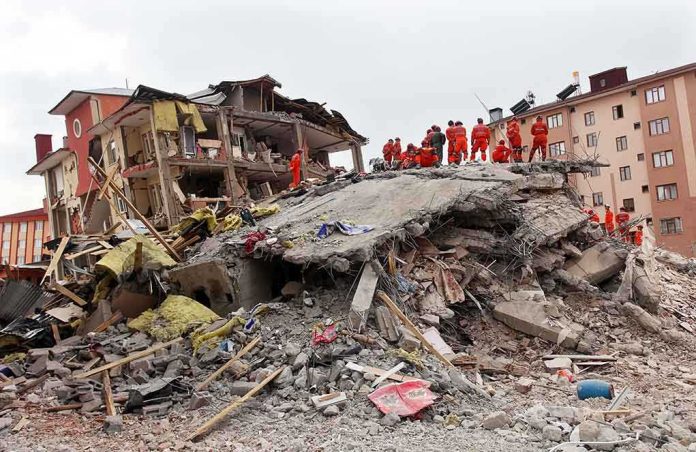
Two powerful earthquakes struck northern Venezuela on June 24, with the larger one measured at magnitude 7.5 and the first at about magnitude 7.2. The shaking caused major damage in and around Caracas, La Guaira, and nearby areas. Officials and news reports said the death toll climbed quickly in the days after the quakes, while thousands of people were injured, displaced, or still missing.
Search teams kept working through aftershocks and collapsed structures, which made the emergency even harder to manage. Reuters reported that more than 1,600 foreign rescuers had entered the country by June 27, and the United Nations said more than 2,000 rescue workers from 27 countries were deployed across more than 40 teams. That scale shows this was never just a short rescue event; it quickly became a major international relief effort.
Why Recovery Will Take Years
The Red Cross view fits what other aid agencies described: a disaster that damaged homes, hospitals, roads, and other basic services across a wide area. The United Nations said humanitarian agencies were still coordinating aid and warned that recovery “is going to take time.” The International Organization for Migration also said its response plan for July through December 2026 covered widespread devastation and damage to more than 2,500 infrastructure assets, including hospitals.
That kind of damage slows every step of recovery. Families need shelter, medical care, water, and help finding missing loved ones. Local governments must clear debris, inspect unsafe buildings, and restore basic services before rebuilding can move fast. Even the earliest reports showed that tens of thousands of people were affected and that the search phase was still active while officials kept updating casualty numbers.
A Disaster That Exposes Bigger Weaknesses
The quake response also highlights a problem that cuts across politics: governments often struggle most when a disaster is large, sudden, and widely spread. The reports from Venezuela show that strain in plain terms. Aid crews had to work beside unstable buildings, aftershocks kept hitting the region, and officials kept revising the scale of the human loss as more information came in.
🇮🇱🇻🇪 Israel’s aid delegation completes mission in Venezuela; meets interim president Delcy Rodríguez
“Venezuela’s interim president, Delcy Rodríguez, held a meeting today to thank the joint Israeli aid delegation from the Foreign Ministry and the IDF following the completion of… pic.twitter.com/3vOvUWyJHB
— גיא עזריאל Guy Azriel (@GuyAz) July 22, 2026
For ordinary Venezuelans, that means the hardest part may still be ahead. The death toll rose over time, but the full cost also includes homes lost, jobs interrupted, schools damaged, and medical care delayed. The record in hand does not show a finished recovery plan yet. It shows a country still buried in the first stage of a much longer rebuild, with aid workers, survivors, and local officials still trying to catch up.
Sources:
insiderpaper.com, news.un.org, cnn.com, aljazeera.com, theguardian.com, state.gov, unfpa.org, youtube.com, reuters.com, earthquake.usgs.gov