
A viral spat over D.C.’s IndyCar race exposed a familiar truth: taxpayers often fund security while private money pays for the show.
Story Snapshot
- IndyCar paid the race costs, while public funds covered police and security.
- Representative Adam Schiff said taxpayers footed the bill; a driver disputed that.
- Reporters confirmed Penske covered the core production, not the government.
- The fight reflects a broader pattern in mega-event funding across cities.
What sparked the argument
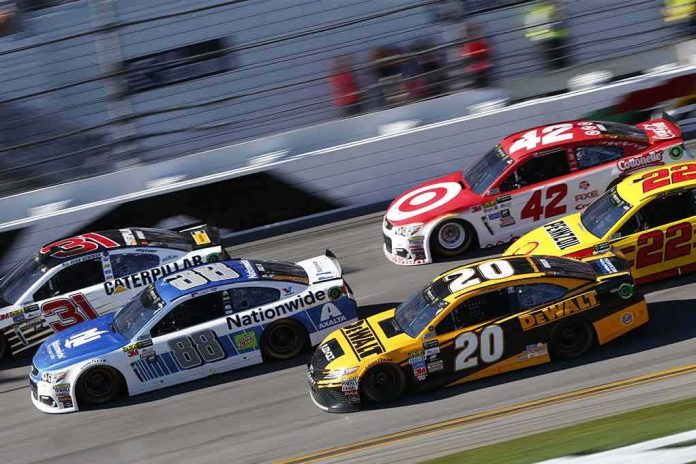
Representative Adam Schiff criticized the Washington, D.C., IndyCar race as a drain on taxpayers. IndyCar driver Graham Rahal quickly pushed back, saying the race was privately funded and brought visitors to the city. The claim-and-counterclaim spread fast online. The disagreement turned on a key split: who paid for the race itself, and who paid for public safety. That split is common in major events that draw large crowds and need heavy policing.
CNN reported that IndyCar covered a more-than $35 million race budget, while the city used a $90 million emergency planning and security fund for public safety costs tied to the wider anniversary events. NBC Washington said Penske paid the “vast majority” of the bill and that taxpayers helped cover police, fire, and security from a congressional fund for big events. Politico echoed that no taxpayer money went to the race itself, but public funds likely covered police and other local expenses.
Who paid for what
Event organizers and multiple outlets drew a clear line. Private money paid for the track buildout, team logistics, and core production. Public funds covered crowd control, emergency services, and security around the route. The Athletic reported that Penske financed the race independent of the Freedom 250 funds, while District costs for police, security, and some construction drew on a federal pot aimed at major events. That is common practice when national landmarks and large crowds are involved.
Rahal’s rebuttal focused on the private funding side, stressing that taxpayers did not finance the race production. Schiff’s critique pointed to the public safety spending that still came from government sources. Both claims contain a piece of the picture, but they describe different parts of the budget. The shorthand slogans online missed that nuance. The facts show a mixed model: private for the spectacle, public for safety and order.
Why this pattern keeps repeating
Big sports events often rely on this split. Cities and the federal government pay to keep streets safe and traffic moving. Private groups fund the competition. Supporters argue the events draw visitors and pride. But economists have found that promised economic gains from such public spending are often small or hard to measure. Reviews of many events say new tax revenue rarely covers the public costs, even when crowds are large and hotels are full.
For many Americans, this fight fits a broader worry: leaders sell splashy events while basic needs feel ignored. Conservatives see waste layered on top of old promises that never paid off. Liberals see public money shielding private interests while inequality grows. Both sides see a government that makes complex deals few people can track. Clear budget lines and after-action audits could help the public judge if these events are worth the tradeoffs.
Bottom line for taxpayers
redstate.com, youtube.com, politico.com, x.com, nytimes.com