
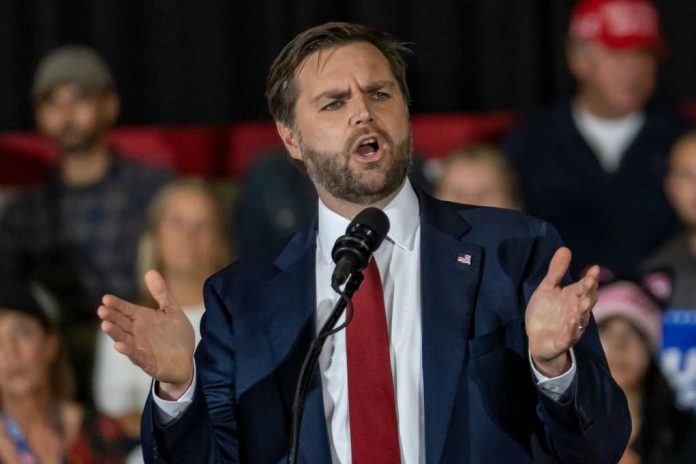
Actor Josh Duhamel urged Minnesotans to vote on November 3, calling Minnesota “God’s country” and “worth saving.”
Story Snapshot
- Duhamel framed voting as a “sacred duty” and asked Minnesotans to turn out together.
- He did not endorse a candidate and stressed civic responsibility over partisanship.
- Minnesota’s November 3, 2026 general election covers many federal and local offices.
- Celebrity appeals can raise attention but show mixed turnout effects across studies.
Duhamel’s Appeal: Civic Duty Over Partisanship
Josh Duhamel released a video urging Minnesota voters to show up on Tuesday, November 3. He called voting a “job as an American citizen,” a “sacred duty,” and a “blessing.” He encouraged people to bring friends to the polls and take part together. He praised Minnesota, calling it “God’s country,” and said it was “worth saving.” He added that he would never tell anyone who to vote for, and he did not endorse a candidate in the message.
The video’s reported caption asked followers to “Bring a group to the voting booths on Nov 3” and share the message. That date matches Minnesota’s General Election Day in 2026. His call fits a common get-out-the-vote pattern that stresses civic pride and community action. While many listeners heard a strong cultural note in “God’s country,” the record shows a turnout push, not a direct political endorsement or policy pitch, in his language.
What Is On Minnesota Ballots November 3
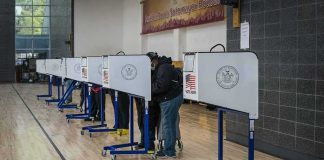
The Minnesota Secretary of State lists November 3, 2026 as the statewide general election. Ballots include federal races, statewide offices, legislative contests, judicial seats, county and local offices, and possible ballot questions. The state’s voter-participation materials explain key dates, options to vote, and how to find polling places. That means Duhamel’s request linked to a real, wide-ranging election day where many choices can shape daily life and local budgets for years.
For residents, these offices affect issues people feel at home and at work. Local boards decide on schools and property taxes. County leaders oversee public safety, jails, and health services. State lawmakers and statewide officials shape rules on housing, energy, and business. Federal races set national spending, border policy, and foreign affairs. When a celebrity message lines up with a packed ballot, it can nudge attention toward real choices that matter.
Why Celebrity GOTV Messages Land Differently
Studies show mixed results for celebrity political messages. Research on get-out-the-vote efforts has found they can boost attention and confidence among young people, which can support turnout in some settings. Other work has found that endorsements of a candidate do not reliably help and can even backfire when audiences see them as partisan or out of touch. Effects often depend on who the audience trusts and what the celebrity actually says.
Duhamel’s message focused on civic duty, not a candidate label. That approach may reduce backlash risk that comes with explicit endorsements. It also leans into shared values like community, duty, and pride in place. Those are themes many Americans agree on, even while they split on policy. The tradeoff is that a values-based appeal may feel vague. It does not tell people what to change, only that showing up matters.
How “God’s Country” Plays In A Divided Climate
Words like “God’s country” carry strong cultural meaning. Some hear faith, roots, and land they love. Others hear a political cue tied to conservative identity. The report notes that some commenters read Duhamel’s line as a nudge to vote Republican, though he did not say that. That gap between speaker intent and audience reaction is common online. Short clips, edits, and commentary can shape what people think a message means.
“It is God’s country. It is worth saving.”
Actor Josh Duhamel is making a direct appeal to Minnesota voters ahead of the November 3 midterms, urging residents to show up at the polls and calling voting a “sacred duty.”
The “Ransom Canyon” star says he won’t tell anyone which…
— THE17thLETTER (@The17thllettter) October 30, 2026
Across left and right, many people feel the system serves the powerful first. They want leaders to solve real problems, not chase status. A call to vote that praises the state and invites neighbors to go together taps that shared frustration. It says the fix starts with citizens. But one video cannot fix trust or policy gridlock. It can only ask people to use the tool they still control: their vote.
What Minnesotans Can Do Next
Minnesota voters can confirm their polling place, check registration, and learn what is on their ballot through official state resources. The Secretary of State’s toolkit points to deadlines, ways to vote, and access help. Voters who plan their trip, bring a friend, and know the offices at stake tend to move faster and feel less stress on election day. Clear steps, not just hype, turn a stirring line into real participation.
Sources:
electionresults.sos.mn.gov, disability.state.mn.us, sos.mn.gov, wfmd.com