

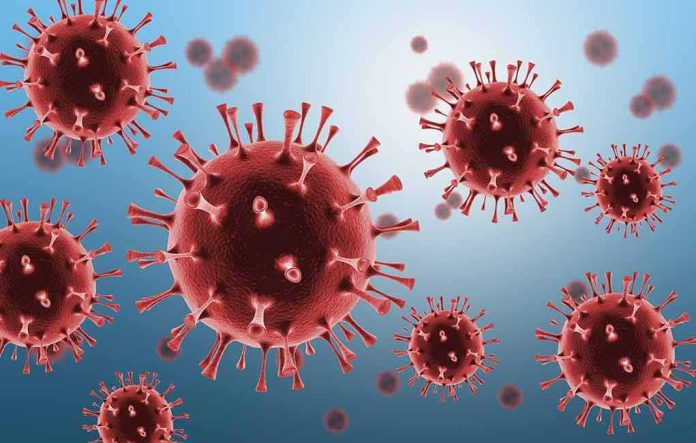
A Washington dairy worker’s death from H5N1 after contact with infected cattle shows how one farm job can carry risks the public rarely sees.
Story Snapshot
- Yakima County officials reported a resident died from H5N1 after exposure to infected dairy cattle.
- Centers for Disease Control and Prevention identified the infection as H5N1 bird flu.
- Officials say risk to the general public is low, with concerns focused on occupational exposure.
- Washington has confirmed infected dairy herds and additional human cases tied to farm exposure.
What Officials Confirmed About The Case
Yakima Health District said a county resident with underlying health conditions was hospitalized and died after infection with H5N1 bird flu. The person had direct exposure to dairy cattle that tested positive for the virus. Officials did not release the patient’s name or age. They reported the death on November 1, 2026. The district also noted other human cases tied to infected farms in the area, showing a clear link to the local cattle outbreak.
The Centers for Disease Control and Prevention (CDC) identified the virus as H5N1, the strain now spreading in United States dairy cattle. That finding supports the connection between the farm exposure and the illness. State health updates confirm that Washington detected H5N1 in dairy herds in early October. The deceased person was reportedly exposed at a dairy with infected cattle, which fits the known pattern of spillover to people who work with sick animals.
How Big Is The Risk And To Whom
State and federal health agencies continue to say the risk to the general public is low. They base that view on the lack of documented person-to-person spread in these cases. The higher risk is for people who work with infected animals or their secretions, such as dairy workers and veterinarians. Officials also warn against drinking raw, unpasteurized milk, which can carry viruses and bacteria that pasteurization would kill.
Washington’s situation mirrors a broader pattern seen this year. Reports count dozens of human infections nationwide, mostly in people exposed to infected dairy cattle or poultry. Those cases have not shown sustained human-to-human transmission. A joint assessment by international health agencies reached a similar conclusion about A(H5) viruses, while calling for close monitoring. That mix explains why one person can face severe risk while most people face low daily risk.
Why This Death Matters Beyond One Farm
This death highlights pressures at the edge of our food system. Workers closest to animals carry the biggest burden when disease jumps from livestock to people. Many readers on the left and right are already frustrated with a government that often reacts late and communicates poorly. Clear, steady updates, basic protective gear on farms, and fast testing can protect workers while keeping stores stocked and families safe. That is not politics; it is the job voters expect government to do.
A Yakima County, Washington resident has died from H5N1 bird flu after exposure to infected dairy cattle — the first U.S. bird flu death of 2026 — and the CDC says it analysed the virus from the patient and found no changes making it spread more easily between people, with the… pic.twitter.com/cy22mG37Cf
— Profilo politics (@profilopolitics) November 3, 2026
Yakima County reported more human cases tied to infected farms around the time of the death. State data also showed multiple infected herds. Those facts can look alarming, but they fit an occupational outbreak more than a community spread event. Officials said they were monitoring contacts around the deceased person. As of the reports cited, they did not describe sustained spread among people. That supports the current low-public-risk message while keeping focus on farm safety.
What To Watch Next In Washington
Readers should watch for updates on three fronts. First, farm protections: gloves, eye protection, masks, and training for workers who milk or handle sick cattle. Second, testing and tracing: how many exposed people are checked, how fast results come back, and whether any spread among people is found. Third, herd control: how quickly new infections in cattle are found and contained to limit fresh worker exposures and pressure on the local dairy economy.
Practical Guidance For Families And Workers
Families should keep buying pasteurized milk and dairy products, which remain safe. People should avoid raw milk and unregulated dairy items. Farm owners should provide protective gear and sick-leave policies that let workers report symptoms early. Workers should report eye redness, fever, cough, or shortness of breath after animal contact. Health departments can help with testing and antivirals when needed. These steps lower risk without feeding panic or crippling daily life.
The Bigger Picture: Trust Built On Candor
People want a government that levels with them. They do not want spin that hides risks to workers, or hype that stokes fear in towns and stores. This case is serious. It also sits inside a clear pattern: higher risk for those working with infected cattle, low risk for most others. Straight talk, farm safety, and steady data can protect both. That is how trust is earned, and how the system should work when lives and livelihoods intersect.
Sources:
washingtontimes.com, kyma.com, upi.com, cidrap.umn.edu, healio.com, m.dailyadvent.com