
A Republican mayor said his party “stopped being a party and became the MAGA brand,” and the election map seemed to agree.
Story Snapshot
- Oklahoma City’s Republican mayor said voters rejected “Trumpism” after major GOP losses.
- Republicans lost House seats in districts Trump won easily and dropped Senate seats in red states.
- Some Republicans blamed Trump’s influence, while others cited weak candidates and the economy.
- Reformers call for a return to a real platform focused on affordability and governing.
What Republican Critics Said After The Losses
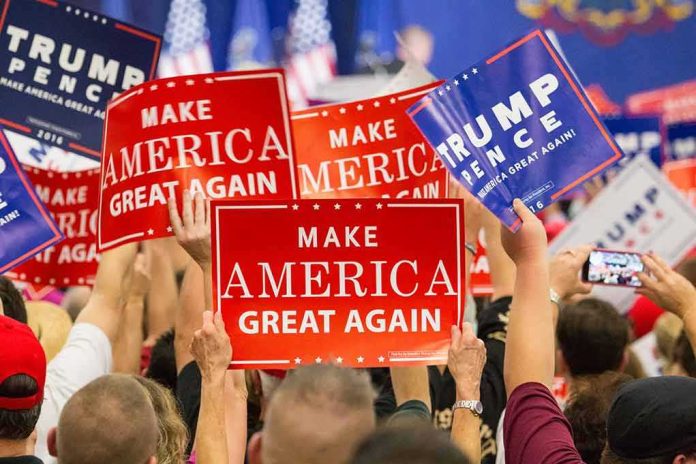
Oklahoma City Mayor David Holt, a Republican, told PBS NewsHour that the party became a vehicle for one man’s brand and “whims,” not a party with ideas. He called the 2026 results a “total rejection of Trumpism,” and said the movement no longer functions as a political force. Holt urged Republicans to rebuild as a party with a clear platform and a plan to govern, not just a label or a slogan.
Other Republicans voiced similar warnings. Politico quoted a former Texas House speaker saying President Trump “hasn’t exactly done any Republicans favors,” while a former county chair said, “It can’t be the party of Trump forever.” These comments reflect a fear shared on the right and left: national leaders chase brand battles, not kitchen-table results. That frustration grows when prices, housing, and energy costs squeeze families while Washington fights over personalities.
What The Results Showed On The Map
CNN reported that Republicans lost House districts that Trump carried by more than 10 points in 2024. The Senate flipped after defeats in states long seen as safe, including Kansas, Iowa, and South Carolina. That pattern signals trouble beyond one or two bad races. It points to a broad voter pushback in places where Republicans once won by habit. Those losses make it harder to blame only local factors or a single weak candidate pool.
Even so, clear limits remain on what the results can prove. BBC coverage noted competing causes, such as candidate quality, midterm trends that often hurt a president’s party, and public anger over prices and foreign policy. Those factors can move votes without a full-scale revolt against an ideology. The evidence does not isolate Trumpism as the only driver, though it shows Trump’s brand shaped strategy and took center stage.
The Policy Gap Reformers Want To Close
Reform voices argue the party’s message drifted from voter priorities. A Reason analysis said affordability dominated the election while Trump focused elsewhere. That mismatch can feel like indifference to families tracking rent, mortgages, groceries, and fuel. Holt’s prescription was simple: be a party again, with concrete ideas and a governing plan, not a personality cult. That means clear proposals on cost of living, energy, and safety that voters can check against results.
For many Americans, the deeper problem looks familiar. They see leaders in both parties protect their own power first. They view a capital city that serves insiders, consultants, and donors before workers and retirees. This election reinforced that worry. Voters punished a brand they felt was focused on spectacle, while critics of the left say Democrats still lack answers on borders, energy prices, and the cost of everyday life. Both can be true at once.
What Comes Next For Voters And The GOP
If Republicans treat 2026 as only a messaging glitch, they miss the lesson. If they treat it as proof that Trumpism alone caused the losses, they also miss the lesson. The path forward runs through delivery, not drama. Build a specific, testable platform on prices, housing supply, reliable energy, secure borders, and safe streets. Show timelines and metrics. Then let voters judge. Parties that do the work earn trust back; parties that chase applause lines do not.
Sources:
reason.com, thirteen.org, pbs.org, post-gazette.com, us.cnn.com, politico.com