
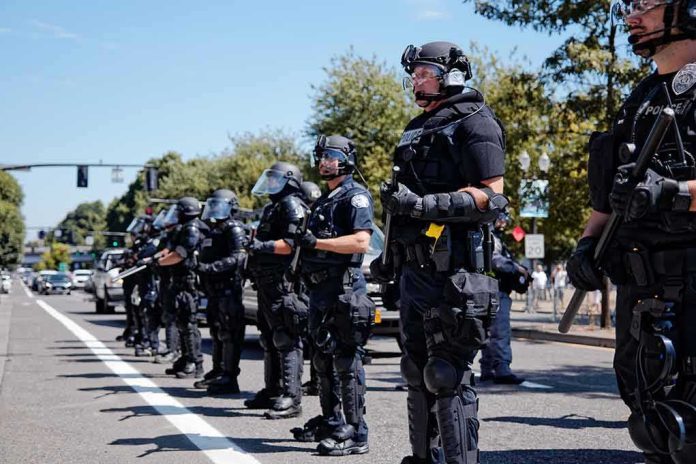
New York City is set to break up a 600-officer police unit that handles both protests and counterterrorism, with no public replacement plan in hand yet.
Story Snapshot
- Mayor Zohran Mamdani says the city will disband the NYPD Strategic Response Group and split protest duties from counterterrorism.
- City Hall confirms the plan but has not released a timeline, structure, or staffing details.
- The NYPD describes the unit as a critical asset for protests, parades, and major incidents.
- A proposed City Council bill, the CURB Act, would push the same direction and has broad support, according to advocates.
What the Mayor Says Will Change
Mayor Zohran Mamdani argues that protest policing should not sit in the same unit as counterterrorism. He says the city will disband the Strategic Response Group to make that split clear and permanent. A City Hall spokesperson backed that goal, saying the administration will separate protest response from counterterrorism. The mayor tied this to a past pledge to dismantle the Strategic Response Group. The plan’s aim is defined, but exact steps, dates, and command charts are not yet public.
Advocates in the City Council are pushing a similar track. The Communities United to Reject Brutality Act would limit the Strategic Response Group’s role at protests and push toward ending the unit. The New York Civil Liberties Union says a Council majority supports the bill. Supporters argue the current setup blends tactics for terror threats into First Amendment events. They say a clean split will protect speech while keeping the city safe from high-risk threats.
What the Police Say the Unit Does
The New York City Police Department describes the Strategic Response Group as a rapid surge resource for citywide needs. The department says the unit is a critical asset for parades, protests, and the papal visit. It also deploys when neighborhoods face more crime or when major events demand extra help. The unit can mobilize for shootings, bank robberies, missing-person cases, demonstrations, and other significant incidents, according to the department’s public description.
Reports describe the Strategic Response Group as roughly 600 officers. Disbanding it would mean moving a large number of trained personnel to other commands or creating new teams. That shift raises practical questions. Who manages protests? Who handles sudden mass events? Who carries the counterterror mission during a big rally? City Hall has not yet shared a full map of those answers, which leaves room for doubts on all sides.
The Gaps, the Risks, and Why People Care
New Yorkers are split, but many agree on one thing: government changes often land without clear plans. Critics fear this will be a name change, not a behavior change, if tactics and leaders stay the same. A council member warned the department could recreate the Strategic Response Group under a new label. Supporters point to past protest clashes and want different training and rules. Both sides want safety and rights protected, and both worry the system serves the powerful over the public.
🚨 JUST IN: Mayor Zohran Mamdani is GUTTING the NYPD unit that handles riots.
His office told Politico the administration "WILL DISBAND THE STRATEGIC RESPONSE GROUP," the unit that handles protest violence and civil disorder.
Commissioner Jessica Tisch says the unit only gets… pic.twitter.com/bqGva2Lxx9
— Gunther Eagleman™ (@GuntherEagleman) November 13, 2026
Research on protest policing warns that heavy gear and aggressive posture can escalate crowds. National guidance urges careful deployment and training so police actions do not spark more tension. That evidence backs the mayor’s goal to set clearer lanes for protest response. But data proving that disbanding this specific unit will improve outcomes in New York has not been presented yet. The test will come in the next big march, where speed, restraint, and coordination all matter.
What to Watch Next
Watch for the written reorganization plan from City Hall and the New York City Police Department. Key items include the new chain of command, staffing levels, training standards, and deployment rules for protests and emergencies. Watch the City Council’s action on the Communities United to Reject Brutality Act, including any enforcement tools. Finally, watch the next major event. If response is fast, calm, and rights-respecting, support will grow. If it stumbles, trust will fall quickly.
Sources:
foxnews.com, nyclu.org, fox17.com, yahoo.com