
A rush-hour driver was found shot in the head after crashing on the George Washington Bridge, and he later died, police sources said.
Story Snapshot
- Police found a driver with an apparent gunshot wound after a crash on the bridge’s upper level.
- The incident occurred around 7 p.m. on the westbound, New Jersey-bound upper roadway.
- Medics took the victim to Englewood Hospital, where he was pronounced dead.
- Authorities closed New Jersey-bound upper-level lanes for hours during the investigation.
What Happened On The Bridge
Port Authority police answered reports of a single-vehicle crash on the George Washington Bridge’s westbound upper level around 7 p.m. Tuesday. Officers found the driver with what appeared to be a gunshot wound to the head, according to local outlets citing police sources. The man was rushed across the river to Englewood Hospital in New Jersey and was later pronounced dead. Early reports described the scene as active, with investigators securing the area while emergency crews worked.
The precise spot and direction drew quick attention because of traffic. Reports pointed to the New Jersey-bound upper level, which carries heavy evening flow. Within minutes, officials restricted lanes and warned of major delays. That action lined up with state traffic alerts and local updates that showed closures just before and after 7 p.m. The shutdown confirmed that police were treating the crash as a serious crime scene, not a routine fender-bender.
Victim’s Condition And Investigative Focus
Emergency medical teams moved fast after the discovery. Officials and police sources told local media the unidentified man died at Englewood Hospital after arrival. Detectives began canvassing the upper roadway for ballistic clues the same evening, looking for shell casings, bullet impacts, and video from bridge cameras. Those steps match standard practice when a shooting is suspected inside a moving vehicle on a high-traffic span. Authorities had not publicly released the victim’s name.
Several outlets described the shooting as a drive-by based on law-enforcement sources, meaning a shot fired from another vehicle at the victim’s car while both were in motion. Early public statements, however, centered on the crash and the apparent gunshot wound, without an official, detailed account of how the shot was fired. Police had not shared a suspect description by late evening, and no vehicle linked to a shooter had been identified in the public record.
Traffic Fallout And Jurisdictional Complexity
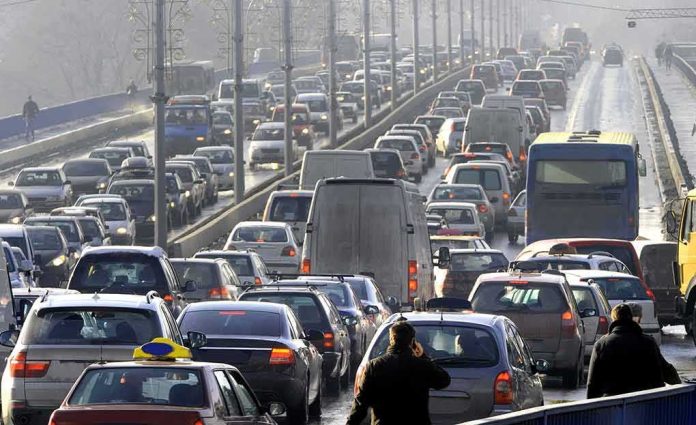
The closure of the New Jersey-bound upper lanes backed up traffic for miles during prime commute time. The Port Authority’s actions and state traffic logs showed rolling restrictions that lasted hours as investigators documented the scene and cleared the vehicle. Some alerts referenced New York-bound upper lanes, reflecting the confusing, real-time language of highway advisories during emergencies. Despite the wording differences, the common thread was clear: a serious incident forced a large-scale response.
Big bridges bring information hurdles. The Port Authority of New York and New Jersey runs the span, but emergency care, traffic feeds, and law enforcement updates cut across state lines. That split can slow the flow of confirmed details and produce mixed terminology in the first wave of reporting. In this case, police sources and hospital information reached the public faster through local newsrooms than through a formal incident bulletin.
How A Case Like This Gets Solved
Detectives will lean on cameras, toll data, and any automatic plate readers on bridge approaches. If the shot came from another vehicle, those tools can help trace likely suspects by time and lane position. Forensic teams will match any recovered projectile to damage on the victim’s car and to wound tracks from medical exams, building a path for the bullet that shows direction and height. That work helps decide if the shooter fired from a passing lane or another angle.
The NYPD said the westbound side of the upper level of the George Washington Bridge was temporarily closed on Tuesday night due to a deadly shooting.
The Port Authority Police Department, which is heading up the investigation, said it received reports just after 7 p.m. of a…
— CBS News (@CBSNews) October 21, 2026
Investigators will also seek witnesses. Even one driver who recalls a make, color, or sudden swerve can break a case. If the shooting was a drive-by, it fits a known but less common pattern of gun violence in which shots are fired from a moving vehicle at a person or car. Public help matters here. Without a suspect description, tips based on dashcam video or commute memories may be the fastest route to a lead that sticks.
Why This Resonates Beyond One Crime
A fatal shooting on one of the nation’s busiest bridges strikes a nerve because it collides with daily life. People expect safe roads, working cameras, and quick answers when danger erupts. This case tests all three. It asks whether government systems that collect tolls by the second can also deliver timely facts and accountability when a life is taken in plain view of thousands. Many readers, left and right, see that gap and want it closed.
Sources:
nypost.com, nydailynews.com, newjersey.news12.com, bnonews.com, nbcnewyork.com, fox5ny.com