
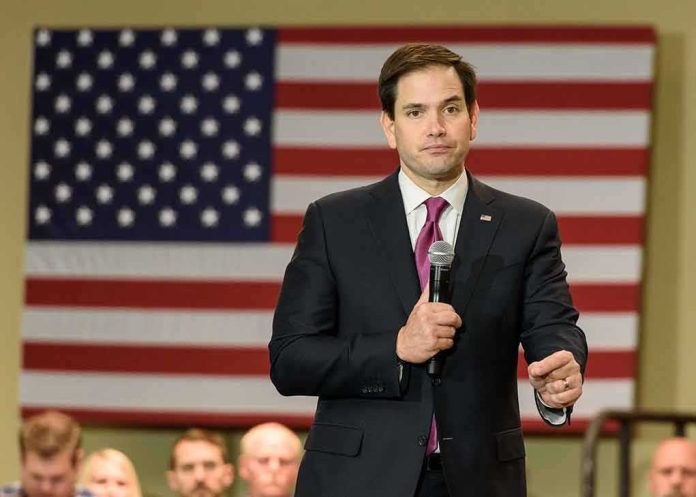
President Trump has formally made Secretary of State Marco Rubio the permanent national security adviser, placing both jobs in one set of hands.
Story Snapshot
- Trump signed a commission making Rubio the permanent national security adviser.
- Rubio keeps serving as secretary of state, a rare dual role last seen with Henry Kissinger.
- Reports say Rubio had been acting in the adviser role since May 2025.
- The move was reported during Trump’s trip to the United Nations General Assembly in New York.
What the White House Just Did
President Trump signed a commission naming Secretary of State Marco Rubio as the permanent national security adviser, according to multiple reports citing White House and administration officials. The decision ends Rubio’s long stretch as acting adviser and locks in his leadership of the National Security Council. The White House did not announce a separate adviser. That means Rubio holds both titles at the same time, which shapes how the administration sets and carries out foreign policy.
News of the appointment came as Trump traveled to New York for meetings alongside the United Nations General Assembly. Timing matters in foreign policy. A settled team can move faster on crises, sanctions, and talks with allies. With the commission signed, agencies now have clear direction on who speaks for the president in national security meetings, deputies’ gatherings, and urgent calls with foreign leaders when speed is critical.
Why Rubio’s Dual Role Stands Out
Rubio is only the second person in United States history to serve as both secretary of state and national security adviser at the same time, following Henry Kissinger in the 1970s. That structure centralizes message and action. It can cut internal fights and help the White House drive one plan. It also raises classic concerns about workload and checks inside the system. The national security adviser is not Senate-confirmed, unlike the secretary of state, so the balance of oversight shifts.
Rubio had been filling the adviser job in an acting capacity since May 2025, after an earlier change in the national security team. Acting roles can blur lines inside government. Making the post permanent removes that gray area. It clarifies who chairs key meetings, drafts options for the president, and coordinates with the Pentagon, the intelligence community, and the State Department. Supporters see tighter control. Critics of dual-hatted setups worry about too much power in one office.
What This Means for Policy and Politics
A single top figure can speed decisions on threats like Iran, great-power competition, border security, and technology controls. Agencies will get faster calls on sanctions packages, arms sales, and emergency responses. Allies may welcome one voice that blends diplomacy and security. Rivals will study how quickly Washington can act. The test will be whether the merged roles produce sharper plans without missing dissent that can catch risks before they grow.
2/🎪Community Note: Mr Rubio is both the US Secretary of State and US National Security Advisor pic.twitter.com/9OXP9nGDYQ
— Dr Arvind Virmani (@dravirmani) September 23, 2026
The country’s mood adds pressure. Many Americans across party lines feel Washington serves insiders before citizens. Some on the right blame globalism and weak borders. Some on the left blame “America First” moves and social cuts. Both sides fear elite dealmaking. A dual-hat model can look like efficiency or centralization. Results will decide which view sticks: safer streets at home, steady prices for energy, and fewer costly surprises abroad—or more drift and finger-pointing if plans fail.
Sources:
pjmedia.com, foxnews.com, washingtonexaminer.com, vinnews.com, bloomberg.com, apnews.com