
Despite talk of an “energy truce,” both Russia and Ukraine kept hitting energy sites, and a new claim says a Moscow refinery was struck.
Story Snapshot
- President Trump said Russia and Ukraine agreed to stop energy strikes, but Kyiv and the Kremlin called it a proposal, not a deal.
- News outlets reported Ukraine kept striking Russian refineries after Trump’s post, including a hit on the Syzran plant.
- A partisan outlet claims a Ukrainian drone struck Moscow’s Kapotnya refinery six days after the truce claim; this remains unconfirmed by major wires.
- Energy sites are a key battlefield, with repeated refinery hits driving fuel strain and market worries.
What Trump Announced Versus What Kyiv and Moscow Acknowledged
On September 14, President Trump said Ukraine and Russia agreed to stop hitting each other’s energy sites. Kyiv and the Kremlin did not confirm a signed deal. Both described the idea as a proposal for a mutual halt, not a final agreement. Ukraine’s President Volodymyr Zelenskyy said he would pause attacks only if partners secured a real Russian pledge to stop strikes on Ukraine’s critical infrastructure. That gap left room for continued attacks by both sides.
Reuters reported that both capitals welcomed the concept but did not commit to stop. The Kremlin said it liked the idea yet tied it to wider issues, including protection for exports and the removal of sanctions. These mixed signals from Moscow, and Kyiv’s conditional stance, showed no enforceable truce was in place. As a result, the battlefield logic behind energy strikes did not change in the days after Trump’s statement.
Strikes Continued: Ukraine Cites Syzran Hit After the Truce Talk
Days after the truce claim, Bloomberg reported Ukraine said it hit the Syzran refinery in Russia’s Volga region. That public acknowledgment underscored Kyiv’s view that no binding halt existed. The report also noted that both sides had not signed up to the pause that Trump described. This matched other coverage showing Ukraine’s campaign to disrupt Russia’s fuel supply remained active and targeted key refinery operations deep inside Russia.
Reuters separately documented that both sides were still going after energy nodes. Ukraine’s long‑range drones have forced some Russian refineries to cut or halt production at times this year. Those hits create fuel shortages and cut into Russia’s energy revenue. Russia has also struck fuel and power sites in Ukraine, keeping pressure on cities and the grid. This pattern sets the stakes for any pause and explains why each government seeks maximum leverage.
The Kapotnya Claim: What Is Alleged And What Is Verified
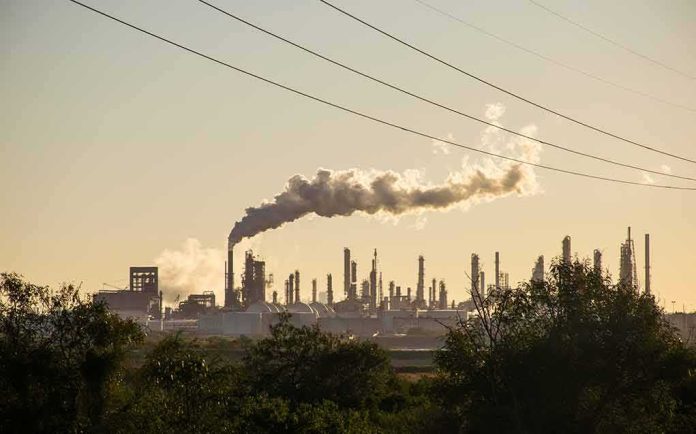
A partisan outlet, The Gateway Pundit, claims a Ukrainian drone struck the Kapotnya refinery in Moscow six days after Trump’s statement. The piece frames the hit as a direct snub of the supposed halt and a blow to energy markets. Major international wires and agencies have not yet verified this specific Moscow claim. Given the source’s track record and tone, the allegation should be treated as unconfirmed unless stronger corroboration emerges from primary outlets or official statements.
Footage shows a drone strike hit the Kapotnya oil refinery in Moscow, igniting several fires. The facility processes crude oil for the city’s gasoline and diesel needs. #Kapotnya pic.twitter.com/ti8zGTAEqq
— WW3 Watchtower (@WW3Watchtower) September 20, 2026
The allegation fits a broader trend where Ukraine seeks to showcase reach against targets near power centers, while Russia aims to show it can defend core infrastructure. But without independent confirmation, the Kapotnya story remains a single‑source claim. The confirmed part of the picture is that the “truce” was not a signed deal, and both sides continued to hit energy facilities elsewhere. That reality matters most for markets and diplomacy right now.
Why This Matters for Americans: Prices, Policy, and Trust
Energy strikes raise risks for oil and diesel supply. When refineries go offline, fuel can tighten and prices can jump. Americans feel that at the pump, in delivery fees, and in grocery aisles. Confusing claims about truces add to public distrust. People across the political spectrum see leaders announcing deals that do not stick on the ground. That gap between statements and outcomes feeds the belief that elites manage headlines, not hard problems like energy costs and war spillovers.
What To Watch Next: Verification And Market Signals
Watch for confirmation or refutation of the Kapotnya strike from major wire services or official briefings. Look for signs that Russia’s refining output or exports dip again, which could push prices higher. Track whether Washington, Kyiv, and Moscow shift from proposals to a verifiable pause with clear terms. Absent that, expect more strikes, more finger‑pointing, and more strain on fuel markets that everyday Americans cannot avoid.
Sources:
thegatewaypundit.com, reuters.com, cnn.com, aljazeera.com, meduza.io