
Passengers and crew forced their way into a cockpit to stop a plunging jet, and President Trump called it “an incredible story.”
Story Snapshot
- President Trump praised passengers who helped stop an apparent cockpit attack on a Flydubai flight.
- The jet diverted to Saudi Arabia after a pilot allegedly stabbed another and the plane descended fast.
- Passengers and crew restrained the attacker before reserve crew landed the aircraft safely.
- The airline paused Israel routes while investigators review what happened on Flight FZ 1073.
What Happened on Flight FZ 1073
Israeli and international outlets reported a violent struggle in the cockpit of a Flydubai flight from Dubai to Tel Aviv. Israeli Prime Minister Benjamin Netanyahu said one pilot stabbed the other and appeared to try to crash the plane. The aircraft then dropped thousands of feet as passengers and crew rushed forward, entered the cockpit, and subdued the attacker. The flight diverted and landed in Tabuk, Saudi Arabia, without further injuries, according to multiple reports.
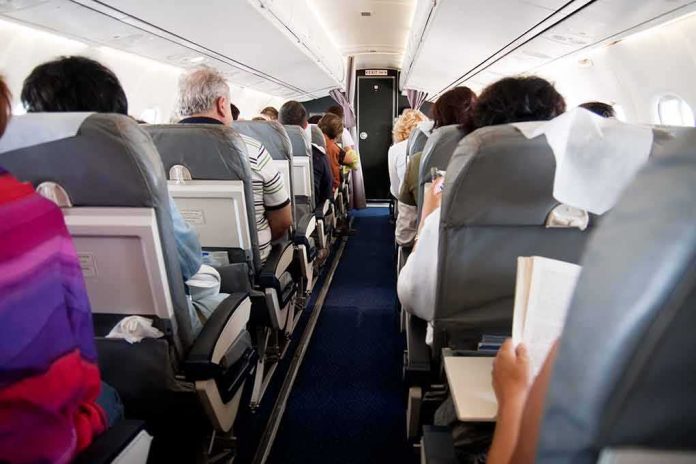
Passengers described panic in the cabin during the rapid descent. Witness accounts said someone alerted others after seeing the stabbing and people then moved toward the flight deck. Reports said the cockpit door was opened and the attacker was restrained with help from crew. Flydubai later said the plane landed safely and confirmed an onboard incident on the route to Tel Aviv. Authorities in the region began formal reviews soon after the emergency landing.
Trump’s Public Response and Why It Resonates
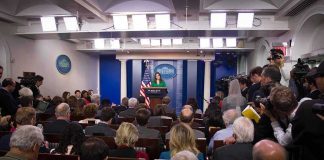
President Trump told reporters the episode was “an incredible story,” praising the speed and courage of those who intervened. He highlighted that passengers helped stop the attacker and steady the situation long enough for trained crew to retake control. His remarks echoed what many leaders say after rare in-flight crises: the people on board are the first and often only line of defense when seconds matter. Trump’s reaction matched the core facts in early reports.
Trump’s framing taps into a broader worry shared across politics. People fear that when systems fail, regular citizens must step in. On airplanes, that is often true. After the September 11 attacks, airlines hardened cockpit doors to stop threats from outside. But experts note those upgrades do not solve threats that begin inside the flight deck. In these rare cases, crew and nearby passengers still make the difference, as reports suggest they did here.
How This Fits Aviation Security Patterns
Post-2001 rules made it very hard to breach a cockpit from the cabin, and in the United States there has not been a successful cockpit breach since then, according to local reporting on recent security steps. When violent incidents do break out on board, crew training assumes that help must come from people already on the plane. That is why public accounts of such events often center on fast action by passengers and flight staff.
In Wednesday’s case, the flight diverted to the nearest safe runway while backup crew on board took control and landed. That sequence tracks with standard safety practice: stabilize the situation, restrain the threat, and get on the ground. Flydubai then paused flights to and from Israel during the probe, which is common after serious safety events. A pause lets the airline and regulators assess risks before restoring normal service.
Why People Across the Spectrum Care
Americans on the right and left see a pattern where big systems miss warning signs, and regular people bear the load. This flight story reinforces that fear. Passengers did what many hope they could do under pressure: act fast, help each other, and trust trained crew. Leaders praised them, but praise alone does not fix root causes. Investigators now face questions about crew screening, mental health, and procedures inside the cockpit.
Authorities will likely review hiring and monitoring standards, cockpit access protocols, and how reserve crew are positioned on sensitive routes. They will also weigh whether added layers, like secondary barriers or new cockpit routines, could reduce inside-the-deck risks without harming safety. Those steps matter because air travel depends on trust. Clear findings and visible fixes can calm nerves while keeping flights moving for families and businesses alike.
Sources:
jta.org, bbc.co.uk, irishtimes.com, airguide.info, fire.tc.faa.gov