
Israel ordered a full closure of West Bank checkpoints and Gaza crossings on October 5 and October 7, citing security needs tied to the October 7 anniversary.
Story Snapshot
- Defense Minister Israel Katz directed the closures after a security review.
- Passage is limited to humanitarian and medical exceptions with approval.
- The dates align with public events marking the October 7 attacks.
- The move follows years of tight movement controls that affect daily life.
What Officials Ordered and When It Takes Effect
Israel’s Defense Minister Israel Katz ordered crossings into the West Bank and Gaza closed on October 5 and October 7, 2026. Officials tied the shutdown to ceremonies that mark the 2023 attacks and to a fresh security assessment. The Coordinator of Government Activities in the Territories said the closures would be general, with narrow exceptions. Authorities framed the step as a short-term safety measure to reduce risks during sensitive memorial days.
Government statements said people could still cross for urgent health or other exceptional needs. These cases require pre-approval from the Coordinator of Government Activities in the Territories, which manages permits and civil issues for Palestinians under Israeli control. Officials did not list detailed criteria in public posts. Prior notices in similar closures have emphasized medical care, humanitarian aid, and a small set of other urgent reasons as qualifying for passage.
How the Closure Changes Daily Life on the Ground
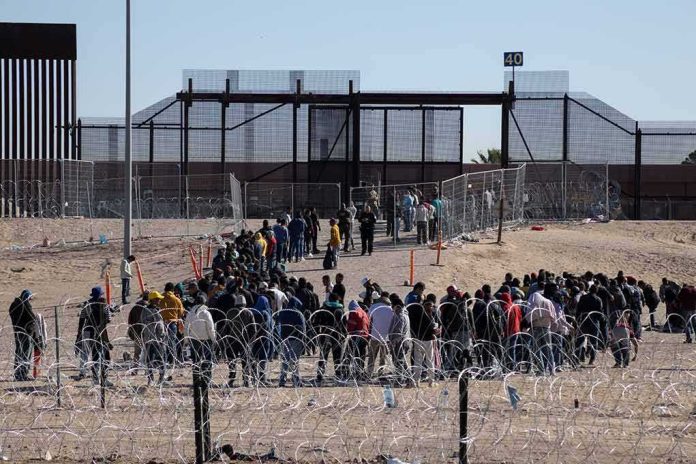
Checkpoint closures block most workers, students, and traders from moving between Palestinian areas and Israel. Employers lose staff for the day, clinics juggle schedules, and families delay travel. Aid groups often reschedule deliveries and seek case-by-case clearance. On these two days, most routine trips will not be allowed. The timing hits during public events and security alerts, which compounds strain for Palestinian communities that already face tight controls on movement across the year.
Israeli leaders say the dates demand extra caution. Security agencies often raise the alert level on anniversary days when tensions can spike. Officials argue that pausing crossings helps deter attacks and lets police and soldiers focus resources. These steps can reassure Israeli civilians who fear violence during large public gatherings. The decision signals that the government is ready to accept economic and diplomatic costs to reduce short-term risk during highly charged remembrances.
Why This Fits a Long Pattern—and Why It Matters Now
Since 2007, Israel has imposed broad movement limits on Gaza, and controls many crossing points that Palestinians use to reach the West Bank and Israel. After the October 2023 attacks, crossings were tightened even more, affecting people and goods, including urgent medical travel. Rights groups have tracked the heavy human impact of these rules. Many Palestinians view each new closure as part of a wider system that restricts basic life choices and access to work and care.
Israeli officials frame targeted closures as temporary and necessary. They highlight the narrow exceptions to show restraint, and they time decisions to match specific security needs. That framing aims to maintain deterrence and calm domestic concern without making broader policy changes. The balance between safety and freedom of movement remains the core tension. Each closure renews debate about how to protect civilians on both sides while avoiding harm to daily life and humanitarian work.
The U.S. Lens and Why Americans Should Care
United States readers track these decisions because they shape a region that often pulls in American money, diplomacy, and attention. When crossings close, aid groups and hospitals report delays, which can lead to grim headlines and urgent calls to lawmakers. Security incidents that Israel seeks to prevent would also draw U.S. focus. In short, calm or crisis in this narrow window affects larger U.S. goals: stability, reduced terror threats, and a path to fewer civilian harms.
BREAKING: Defense Minister Israel Katz ordered West Bank and Gaza crossings closed Oct. 5 and Oct. 7 for Oct. 7 remembrance, not today. Humanitarian cases need COGAT approval. Gaza aid will not enter those days. pic.twitter.com/OClAp87sTp
— First Feed News (@FirstFeedNews) October 4, 2026
People across the American political spectrum see a familiar pattern in moves like this. Leaders cite risk to justify fast, sweeping controls. Officials promise narrow exceptions and later reviews. Ordinary people bear the delay and cost. For conservatives, the priority is clear security steps to prevent attacks. For liberals, the concern is the human toll on civilians. For many in the middle, both points feel true at once—and they want policy that delivers real safety with less daily hardship.
Sources:
redstate.com, jpost.com, english.ahram.org.eg, sadanews.ps, thenationalnews.com