
A Russian general overseeing military training died in a Moscow car bomb blast just hours after Ukraine-U.S. peace talks, exposing elite vulnerabilities amid fragile diplomacy.
Story Snapshot
- Lieutenant General Fanil Sarvarov, head of Russian General Staff’s Operational Training Department, killed by explosive under his car on Yaseneva Street.
- Explosion at 7:00 a.m. Moscow time, December 22, 2025; third such attack on Russian officials in 2025.
- Russian investigators suspect Ukrainian intelligence; no claim of responsibility from Ukraine.
- Timing coincides with Ukraine-U.S. peace negotiations, raising sabotage fears.
- Incident highlights security failures protecting Moscow’s military elite.
Explosion Details and Victim Profile
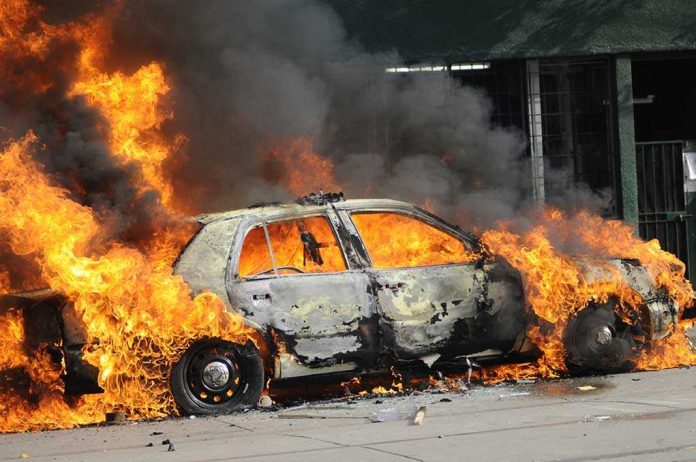
Lieutenant General Fanil Sarvarov parked his vehicle in a Moscow lot on Yaseneva Street. An explosive device detonated beneath the car at approximately 7:00 a.m. on December 22, 2025. Sarvarov sustained fatal injuries and died in hospital. Russia’s Investigative Committee confirmed the car bomb method and his role leading operational training for the General Staff.
The blast wrecked the vehicle, scattering debris and underscoring the device’s power. Sarvarov commanded training operations critical to Russian military readiness. His death disrupts command structures during heightened tensions.
Investigation Points to Ukrainian Involvement
Russian authorities probe Ukrainian intelligence as primary suspects. Investigators examine whether Kyiv orchestrated the hit to degrade Russian capabilities. Ukraine neither confirms nor denies involvement. This aligns with prior car bombings, including one a year earlier linked to Ukraine.
Evidence suggests sophisticated planning: precise placement under the car indicates surveillance of Sarvarov’s routine. Russian media describe the explosion’s ferocity, with neighbors reporting the shockwave. No arrests reported yet; multiple leads pursued.
Pattern of 2025 Car Bomb Assassinations
This marks the third car bomb targeting Russian military or high-profile figures in 2025. Attackers favor explosives under vehicles for reliability in urban settings. Moscow, Russia’s fortified capital, proves no sanctuary for elites. Previous incidents eroded confidence in protective measures.
General Sarvarov’s elimination fits asymmetric warfare tactics. Weaker parties strike high-value targets to compensate for conventional deficits. Common sense dictates Russia tighten protocols, yet repeated failures question competence. Conservative values prioritize strong defense; these breaches demand accountability.
Geopolitical Timing Disrupts Peace Efforts
The bombing followed weekend Ukraine-U.S. peace talks. Diplomats sought de-escalation paths. Sarvarov’s death injects uncertainty, potentially hardening Russian stances. Pentagon received briefings, signaling international ripples.
Short-term, Russian training operations falter, straining deployments. Long-term, elite paranoia mounts, altering power dynamics. Moscow civilians face heightened alerts. Facts support suspicion of sabotage to derail negotiations—strategic pressure amid diplomacy’s fragility.
Security Breaches Signal Deeper Instability
Moscow’s elite navigate growing perils. Car bombs bypass perimeters, exploiting daily routines. This attack reveals intelligence gaps or insider aid. Russia confronts dual threats: external foes and internal lapses.
Broader impacts hit military recruitment and public trust. Escalation risks retaliation against Ukraine. American conservative perspective values deterrence; unchecked hits embolden aggressors, prolonging conflicts. Enhanced vigilance essential to safeguard leadership.
Sources:
Russian general killed: Moscow grows increasingly dangerous for Putin’s elite