Justice Department leaders say 1,000 federal monitors will fan out to watch midterm voting, marking a major expansion of an old program with fresh stakes.
Story Snapshot
- The Justice Department plans to deploy about 1,000 election monitors nationwide.
- Monitors will observe whether voting follows federal law, including the Voting Rights Act.
- Federal guidance says observers can watch polling and ballot-counting in eligible areas.
- Some local officials limit access inside polling places, keeping monitors outside set boundaries.
What DOJ Says It Will Do And Why It Matters
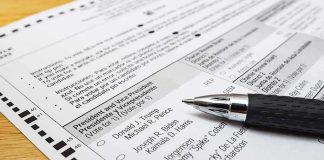
Assistant Attorney General Harmeet Dhillon said the Department of Justice plans to send about 1,000 monitors to watch midterm voting this fall, with the goal of checking if elections are run fairly and in line with federal law. Department guidance says the Civil Rights Division monitors polling places and ballot-counting sites to assess compliance with federal voting rights laws. That authority comes from long-standing federal law and department policy, not a brand-new program.
The Hill reported that the monitors will look for compliance with several laws, including the Voting Rights Act, National Voter Registration Act, Help America Vote Act, Uniformed and Overseas Citizens Absentee Voting Act, Americans with Disabilities Act, and Civil Rights Act. During this year’s primaries, the department already sent more than 75 monitors to more than 200 polling locations in five states, showing the plan builds on active field work rather than a start-from-zero effort.
How Federal Monitoring Works On The Ground
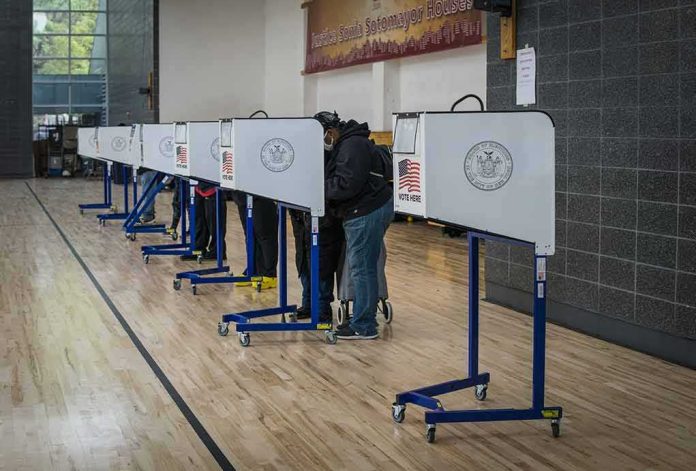
Department of Justice guidance explains that federal observers may monitor at polling places and at ballot-counting sites in eligible political subdivisions. The Civil Rights Division also uses its attorneys and staff for monitoring functions. The guidance outlines a process for requesting monitoring that asks for specific incidents, names, and locations, which signals the program is built to respond to concrete concerns about access or compliance, not to run local elections.
Field rules can vary by state law. In Minnesota, state officials acknowledged federal observers while noting counties could bar them from inside polling places under state rules. Local coverage said observers would remain beyond the 100-foot line, wear no insignia, carry identification, and only approach voters after they exit, with no duty for voters to engage. That setup aims to prevent interference while still allowing observation.
What Is New This Cycle And What We Do Not Yet Know
Multiple outlets describe the 1,000 figure as a record or near-record scale, and they attribute it to the department’s public statements this month. The department’s public materials establish that federal monitoring is routine, but the size of this deployment makes it stand out. The reporting does not list the specific jurisdictions, staffing mix, or the chain of command for all monitors, which limits visibility into exactly where and how the full group will operate.
DOJ To Deploy 1,000 Election Monitors For Midterms
https://t.co/diRXIWki4M— Great American Real News Links (@GARealNewsLinks) August 25, 2026
The federal framework has a narrow aim: watch voting access, document issues, and support enforcement when needed. That mission can reassure voters who fear barriers and also those who fear sloppy rules. Many voters across the political spectrum now worry that powerful people bend systems to keep control. A visible, rule-bound monitoring effort can help if it stays transparent, follows the law, and respects local limits while making sure every lawful vote counts.
Sources:
zerohedge.com, washingtonpost.com, democracydocket.com, townhall.com, yahoo.com, justice.gov