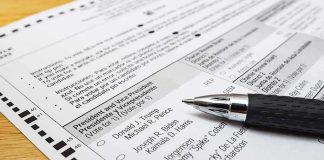

A Nevada judge threw out the state’s high-profile “fake electors” case, turning a six-year fight over 2020 into a lesson on how process can beat proof.
Story Snapshot
- A Nevada judge dismissed charges against six Republicans tied to a 2020 elector certificate, citing lack of proof of intent to defraud.
- State prosecutors had charged the group with offering a false instrument and uttering a forged instrument after a 2023 grand jury indictment.
- The case swung between courts on venue and legal theory before the latest dismissal ended the prosecution in state court—for now.
- The fight reflects a national tension: what counts as criminal deception versus protected political maneuvering.
What the Judge Ruled and Why It Matters
Judge Mary Kay Holthus dismissed the criminal case against six Nevada Republicans who signed a 2020 certificate claiming Donald Trump won Nevada. She found the state lacked enough proof that the group intended to deceive government officials. She wrote that the defendants’ open, public actions weighed against a finding of fraudulent intent, which is required under the charged crimes. The ruling ends the case in district court and underscores how intent is often the hardest part of election-related prosecutions.
Nevada’s attorney general had pursued two main charges: offering a false instrument for filing and uttering a forged instrument. A grand jury indicted the group in December 2023. The indictment named Nevada Republican leaders, including Michael McDonald, and described a coordinated effort to submit an alternate certificate to Congress and the National Archives claiming Trump won the state. The state framed the conduct as a false-elector scheme. The defense argued the documents were political placeholders, not forgeries.
The Long Legal Back-and-Forth on Venue and Theory
The case also wound through a venue maze. A lower court first tossed it for being filed in the wrong county. The Nevada Supreme Court later allowed the prosecution to proceed in Clark County, reviving the charges. The attorney general said the high court affirmed Clark County as the proper venue. That kept the case alive long enough to return to district court, where the judge has now dismissed it on intent grounds. This path shows how procedure can decide outcomes before juries ever hear evidence.
Defense lawyers pressed a tight legal theory. They said the certificate bore real signatures, so it was a genuine document with false content, not a forged document under state law. They also stressed that the papers lacked the state seal and signatures from Nevada’s governor and secretary of state. In their view, those gaps meant no one could mistake the papers for Nevada’s official certificate, which cut against any plan to trick officials. The judge’s order echoed concerns about proving intent beyond a reasonable doubt.
What the State Alleged and the Broader Stakes
State prosecutors said the six falsely claimed to be Nevada’s lawful electors and sent their certificate to Congress and the National Archives. News reports at the time said the certificate declared Trump the winner of Nevada’s electoral votes in 2020. The attorney general cast the effort as part of a broader false-electors push to overturn Nevada’s results. The state’s core claim asked courts to treat the document as a deliberate attempt to mislead federal officials about Nevada’s vote.
The outcome in Nevada lands inside a national pattern. Similar cases have faced early fights over where to file, what statutes apply, and how to prove intent. Those fights often decide the case before a jury hears it. Supporters of the prosecution call that a problem, saying process shields powerful actors from accountability. Critics say the opposite, arguing criminal law should not punish open political speech or legal “backup” steps taken during active challenges. Both sides say they want election integrity; they disagree on what crosses the line.
Why Voters Across the Spectrum Are Frustrated
For many Americans, this feels like more proof that insiders play by different rules. People on the right see years of investigations that end on technical grounds after reputations are damaged. People on the left see conduct they view as an attack on a fair election and want clear penalties. Both groups watch cases turn on county lines and legal labels instead of a clear verdict on truth or lies. That gap feeds the belief that the system serves the well-connected, not the public.
Judge dismisses Nevada case against ‘fake electors’ accused of forging certificate in 2020 election
The yearslong case against six Nevada Republicans who were accused of submitting a bogus certificate that falsely declared Donald Trump the winner of the state’s 2020 presidential… pic.twitter.com/ZPF56jZFpe
— Black Page (@WorldNEWS0_) August 15, 2026
Here is the bottom line for 2026 voters. The judge found the state did not prove intent to defraud in this case. The attorney general’s past statements show the state believed the acts were part of a coordinated scheme. Those two realities can coexist because of how criminal law works: the government must prove both the act and the intent. When prosecutors cannot clear that bar, cases end, even when many citizens still want answers about what happened and why.
Sources:
thehill.com, ag.nv.gov, abcnews.com, npr.org, apnews.com