A New Jersey college athlete was shot and killed by police after he mistakenly went to the wrong house during a night out, his family says.
Story Snapshot
- Police responded to a 911 call about a possible break-in and found a man behind the home.
- The family says he was unarmed, carried a phone and backpack, and believed it was a friend’s house.
- Officials say backyard surveillance video is part of the active investigation.
- Authorities have not explained what led officers to open fire.
What Police Say Happened At The Scene
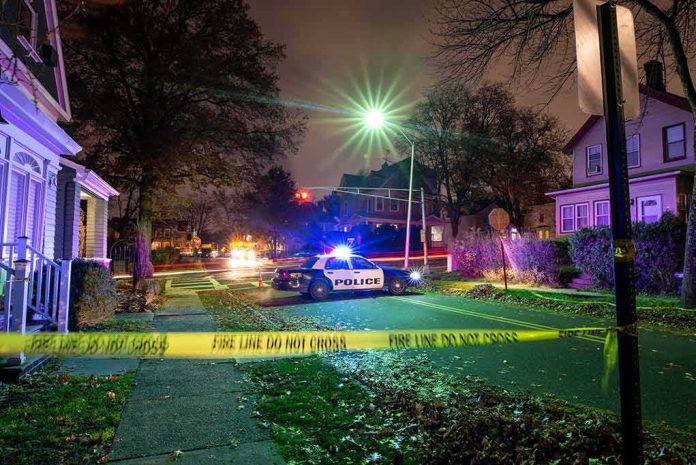
County officials said Upper Pottsgrove Township officers went to a home around 12:30 a.m. after a 911 call reporting a possible break-in. Officers located a man at the back of the residence. An encounter followed, and police fired their weapons, killing him. Officials have not detailed the commands given or the actions taken just before the shots. The Montgomery County Detective Bureau is leading the review, and the district attorney’s office referenced backyard video tied to the case.
Local media reported that investigators collected surveillance footage from the property. The district attorney’s office said the occupants were startled and called for help. That lines up with a mistaken-entry scenario rather than a planned attack, based on the initial call type. The office has not released the 911 audio, dispatch notes, or a full incident report. Officials also have not said whether body cameras or dash cameras captured the moments before gunfire.
What The Family Says About The Victim
The man’s mother said her son had been drinking, went to the wrong address, and knocked while saying, “Hey, let me in,” because he thought it was his friend’s home. She said he was unarmed and carried only a cell phone and a backpack. The family’s account has driven public attention because it points to a tragic mistake, not a crime. Their statements were reported by local television and print outlets covering the case.
The family’s description does not resolve what happened in the backyard minutes later, when police arrived. Still, their claim that he brought no weapon will be tested by the medical examiner’s report and scene evidence if released. Toxicology could confirm alcohol use, and phone records could support the wrong-address mix-up. Those items have not been made public in current reports. The district attorney’s investigation continues to gather and review those materials.
Why This Case Resonates Beyond One Town
Wrong-address encounters often turn on a tight window where officers must judge a threat at night, on private property. Courts weigh whether actions were “objectively reasonable” based on what officers knew at that moment, not on later facts. Past rulings show outcomes vary when officers face a potential intruder versus a confused visitor. Those legal standards shape training and the release of evidence after high-stakes incidents at or near the home.
People across the political spectrum see a common failure when basic mistakes end in death and answers are slow. Many want faster release of 911 audio, video, and key reports, so the truth is not filtered by press lines. Clear timelines, early disclosure, and practical steps—like better address verification, brighter house numbers, and patrol guidance for wrong-house calls—can prevent chaos. Transparency and simple safeguards can save lives without weakening public safety.
Sources:
nypost.com, patch.com, njspotlightnews.org, law.com, reuters.com, nj.com, abc7ny.com