

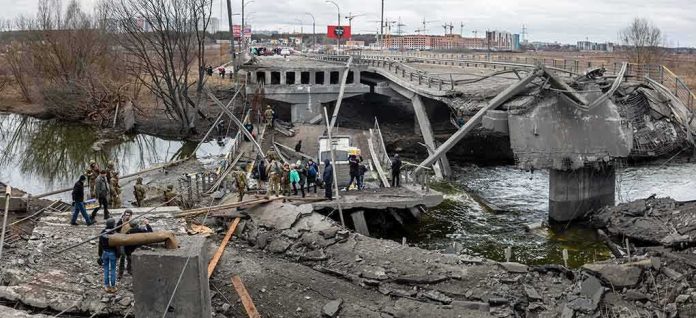
Hundreds of workers remain cut off inside Nepal’s flood-blocked hydropower tunnels as rescuers fight water, mud, and time to reach them.
Story Snapshot
- Nepal deployed thousands of troops and heavy gear to open blocked tunnels after deadly floods.
- Officials say the main goal is to reach people believed trapped at several hydropower sites.
- Crews reached one tunnel entrance and began clearing debris, marking a key breakthrough.
- At least 350 people were rescued earlier from one project, while many others are still unaccounted for.
Rescue Command Focuses On Opening Flooded Tunnels
Nepal’s government said rescue teams are working at multiple hydropower projects after floods slammed mountain valleys and jammed tunnel systems with mud and debris. Officials said the main mission is to open tunnel access and reach people cut off inside. Rescue leaders reported that China and India sent specialists to help with search and engineering work. Authorities said they are focusing on the most impacted sites where workers are believed trapped underground.
Rescuers said they are using controlled blasts, excavators, and search lights to move water and mud. The push includes clearing entrance choke points and making air and safe passage for teams. Leaders described a round-the-clock effort along steep slopes and damaged roads. Helicopters moved equipment closer to remote portals when roads failed. Commanders said the aim is to cut new openings fast while keeping crews safe from fresh slides and sudden surges in the rivers.
First Breakthrough Reached As Crews Clear A Blocked Portal
Officials reported a first breakthrough when teams reached one tunnel entrance and began removing debris that blocked entry. That step allowed engineers to judge soil stability and plan safer advances deeper underground. The opening also gave rescuers a base to pump water and test air. Leaders said progress at one site can speed moves at others because crews share tools, plans, and lessons learned from the first clearance operation.
Earlier in the week, soldiers and local responders pulled hundreds from another tunnel network at the Upper Trishuli Hydropower Project. Local media reported 350 workers and residents were rescued alive, even as more than 100 others remained cut off in nearby sections. Those rescues showed that pockets of survivors can endure if air and higher ground exist inside the system, but they also underlined how fast conditions can change after mountain floods.
Scale Of The Operation And Uncertain Headcounts
Nepal’s army and disaster agency said thousands of personnel are in the field, including about 10,000 troops assigned to the rescue surge across affected valleys. Authorities said the effort covers work sites at five or more hydropower projects and aims to contact or reach hundreds of workers. Officials briefed reporters that rosters and radio checks remain incomplete because phones are down, roads are broken, and tunnels remain blocked.
Different outlets and agencies have shared varying counts of those still missing or believed trapped. Some reports cite more than 100 people in specific tunnels, while others describe several hundred across the region. One figure referenced 933 workers believed trapped at 11 hydropower projects, while another update listed 537 still missing. These totals reflect rolling updates in a hard-hit area, not a single fixed headcount.
Why This Matters For Mountain Infrastructure And Safety
Hydropower systems in the Himalayas run through steep rock, fault lines, and narrow valleys. Floods, landslides, and tunnel failures can combine to raise the risk to workers. Studies on Nepal’s hydropower safety show that weak rock, surprise water flows, and long tunnel drives make emergency access hard. That mix strains rescue work when storms or upstream failures send sudden torrents into worksites carved deep into the mountains.
Nepal rescue crews are working to reach hundreds of workers trapped inside flood-blocked hydropower tunnels as mountain guides join the operation. #NepalRescue #NepalNews #NepalBreakingNews #NepalFloods #Nepal pic.twitter.com/LE0SBoFNvk
— NewsX World (@NewsX) August 31, 2026
The Nepal rescue also fits a pattern seen across the region. Big projects push into terrain where hazards move faster than people can. When disaster hits, the public record often depends first on official statements, with details refined as teams reach each site. That is why authorities ask for patience on exact numbers while they open tunnels, verify rosters, and reunite families. The priority now is clear access, air, and time underground to find survivors.
Sources:
kathmandupost.com, bbc.com, reuters.com