Eight Border Patrol agents rescued an MS NOW news crew after their SUV got stuck while filming in Texas’ Big Bend desert, highlighting how unforgiving border terrain can humble anyone who enters it.
Story Snapshot
- An MS NOW crew’s Jeep Wagoneer bottomed out near the Texas border; Border Patrol rescued them.
- The incident occurred in the remote Big Bend region during filming for a new program segment.
- Rescues are common in this harsh area, where heat, sand, and distance overwhelm travelers.
- The episode spotlights a larger truth: border terrain strains people, politics, and rescue systems alike.
What Happened in the Big Bend Desert
Reporter Antonia Hylton said her crew’s Jeep Wagoneer “bottomed out” as the sun went down in Texas’ Big Bend region. She reported that eight United States Border Patrol agents arrived in four trucks and pulled the team out that night. Coverage from other outlets tied the rescue to filming for a debut program segment, and located the shoot in the remote Big Bend area along the Rio Grande. Video clips of the segment fueled wider attention and online debate about media coverage of the border.
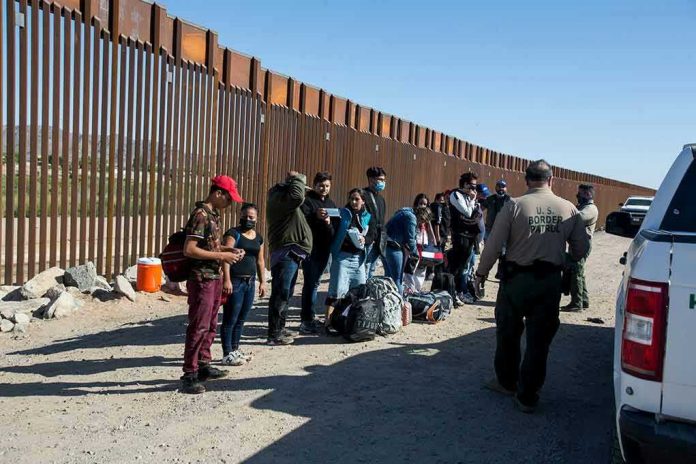
The Big Bend sector is vast, sparsely populated, and difficult to navigate after dark. Sand, arroyos, and unmarked tracks can trap even capable vehicles. Cell service can be spotty. Distances to paved roads and tow services stretch response times. Those conditions often turn minor mistakes into emergencies. That is why Border Patrol units in West Texas train for desert rescues and stage gear to reach stranded people before heat, dehydration, or cold become life-threatening.
Why Rescues Along This Stretch Are Common
United States Customs and Border Protection has documented frequent rescues in Big Bend National Park and nearby ranchlands. Agents and National Park Service rangers have saved groups of migrants and hikers in remote canyons and desert flats. Calls often come late, after hours of walking without water. Agents coordinate with aircraft and local emergency teams to cover the long distances and rugged terrain that ordinary responders cannot cross quickly. Multi-day stretches with several rescues are not unusual during peak heat.
Border enforcement created specialized search and rescue units because terrain and heat pose constant risks. Summer temperatures soar, winter nights turn cold, and trails fade into dry washes. People get lost, injured, or stranded. Even experienced locals plan routes around water, weather, and daylight. These conditions explain why rescue beacons, helicopters, and four-wheel drive trucks are part of the standard toolkit along this border. They also explain how a professional film crew, operating at dusk, could run into trouble fast.
Politics, Optics, and the Shared Reality
This rescue drew interest because it intersected with a national fight over the border and the media. Supporters of stronger enforcement cited the incident as proof that the landscape itself is a major barrier. Critics of the press saw irony in a news team needing help from the same agents they often scrutinize. Yet the larger fact is simpler and more important: the border’s desert does not care about politics, credentials, or intentions. It punishes bad timing, bad maps, and bad luck alike.
Americans across the spectrum worry that government systems break down under stress. The border is where those fears show up first. Agents juggle enforcement, rescues, and coordination with local services. Communities manage emergency calls and limited budgets. Migrants face deadly risks. Travelers and media crews can also misjudge the land. When the landscape wins, rescue capacity becomes the last line of defense. That reality argues for steady investment in people, training, and equipment, not for victory laps or cheap shots.
What This Means Going Forward
The episode underlines three practical lessons. First, the Big Bend region demands respect, daylight, and backup plans. Second, rescue resources must stay strong, since they save migrants, residents, and visitors. Third, reporting on the border works best when it pairs careful planning on the ground with clear facts on air. The crew walked away. Many others do not. That contrast should focus leaders on safer routes, faster response, and honest coverage of risks that do not fit neat talking points.
JUST IN: An MS NOW news crew led by Antonia Hylton got stranded in the desert near Texas' Big Bend region after their Jeep Wagoneer bottomed out. Eight Border Patrol agents in four trucks responded to rescue them, and three of the four vehicles got trapped. pic.twitter.com/X9BIvRpcWU
— JUST IN (@justinnews67) September 13, 2026
Border stories often turn into fights over blame and pride. This one points to a tougher truth. The desert keeps score in simple ways. It rewards preparation and punishes mistakes. It exposes gaps in planning, policy, and rescue coverage. It also shows the value of front-line public servants who answer calls without asking for party labels. The best takeaway from this rescue is not who looked foolish. It is how to make sure the next call ends the same way—everyone alive.
Sources:
thegatewaypundit.com, mediaite.com, cbp.gov