

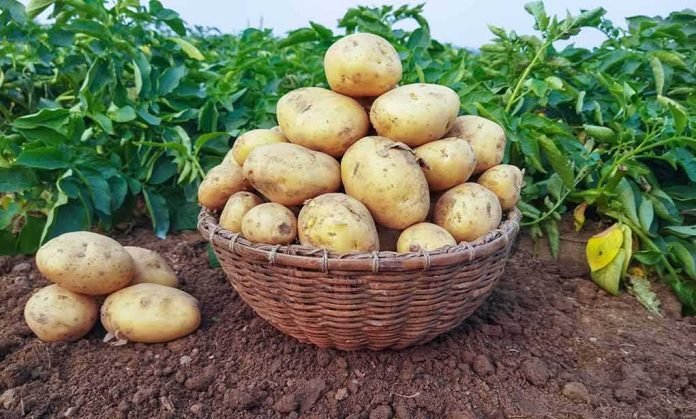
As Britain endures one heatwave after another, even the trusty potato – a basic comfort food for rich and poor alike – is now at risk of becoming more scarce and more expensive.
Story Snapshot
- Severe heatwaves and drought are stunting potato growth across Britain, cutting yields and stressing farmers.
- Industry groups and government reports warn of tighter supplies, smaller potatoes, and rising prices for shoppers.
- Past drought years show potatoes can shrink by about 20% in yield, with shorter chips and poorer quality.
- The crisis highlights how fragile modern food systems are, and how ordinary families pay the price when leaders fail to plan.
Heatwaves push Britain’s potato crop to the brink
Severe heatwaves and long spells of warm, dry weather are now causing real losses for potato growers across Britain. Farmers report that potatoes stop growing well once temperatures climb above about 30 degrees Celsius, and this summer that line has been crossed many times. When that happens during the key bulking stage, the tubers simply do not put on weight, so fields that once produced strong harvests now yield far less than expected.
One grower speaking to the British Broadcasting Corporation said he expects to lose three to five tonnes of potatoes per acre on crops planted in spring, and warned total losses could reach 30 to 40 percent if the hot, dry pattern continues. Other farmers describe watching plants wilt and soils crack as there is too little rain to replace the water lost in the heat. These shortfalls do not just hurt farmers’ income; they ripple through the whole food chain.
Drought turns a staple into a stressed luxury
Official drought has been declared across large parts of England, with government reports noting that crops are already suffering heat stress that will hit yields later in the year. Field vegetables like potatoes, carrots, and onions are especially exposed because they need steady water in summer, and some growers are already reporting around a 20 percent drop in yields. England recently got just three percent of its usual July rain by mid-month after three heatwaves, leaving river flows down and soils “exceptionally dry.”
In these dry conditions, farmers say more potatoes end up small and misshapen, with fewer of the large, even ones used for baking and thick chips. Last year, well-irrigated potato fields produced more than 80 tonnes per hectare, while fields without irrigation managed only about 30 tonnes, a huge gap that shows how water access now separates winners from losers. When only the best-watered land can grow full crops, it deepens the sense that the system favors those with capital and leaves smaller family farms exposed.
Past droughts show what today’s heat can do to spuds
Reports on earlier drought years give a clear warning of what current heatwaves may mean. In 2018, drought and extreme heat cut potato yields by about 20 percent in England and Wales compared with the year before, shrinking the average British chip by more than an inch. One detailed study found that summer drought across north-west Europe held average potato yields near 40 tonnes per hectare, while un-irrigated crops struggled to reach 30 tonnes. That year’s eating potato crop was forecast to be nearly 20 percent smaller than the previous one.
Farmers and market experts also recall that the 2018 harvest was the fourth lowest in sixty years, with many potatoes coming out of the ground small or oddly shaped. Some growers even chose to plant less the following year because the risk of another weather shock felt too high. Scientific work backs up these experiences, showing that periods of drought can cut potato yields by around 13 percent, and longer dry spells can double that loss. These numbers help explain why today’s heatwaves worry both growers and consumers.
Prices jump as imports rise and families feel the squeeze
As domestic crops struggle, Britain is already turning to imports to fill supermarket shelves. Restaurants and shops are buying more vegetables from countries like Spain, even during what should be peak growing season at home. Wholesale prices show the strain clearly: tomatoes are up more than 60 percent, iceberg lettuce about 90 percent, and potatoes more than 40 percent. For families already tired of inflation and high energy bills, paying extra for basic foods like potatoes feels like one more sign that leaders are not guarding everyday needs.
Experts warn that drought affecting about half of England will worsen food shortages and push grocery prices higher well into 2027. The potato, often seen as a cheap, filling staple that helped past generations get through hard times, is now caught in a web of climate stress, market power, and policy failure. Farmers talk about agriculture being on a “knife-edge,” while shoppers see shrinking portions and rising costs and wonder why a rich nation cannot secure something as simple as a steady supply of home-grown spuds.
Sources:
independent.co.uk, britishpotato.co.uk, nfuonline.com, theguardian.com, potatoes.news, fortune.com, youtube.com, bbc.com, en.wikipedia.org, cafod.org.uk