

Indiana deputies launched a four-hour, multi-agency search after a resident reported a lioness in a blue harness and a cub moving through rural Madison County.
Story Snapshot
- A resident reported a 300-pound lioness in a blue harness with a smaller cub near the Hancock County line.
- Madison County deputies, Hancock County deputies, and Indiana State Police searched on the ground and by drone.
- Agencies used thermal-imaging drones and asked the public to report unusual animal sightings.
- The search ended after about four hours with no confirmed locate of the animals.
What Authorities Say Happened
Madison County Sheriff’s Office received a report around 10 a.m. on August 27 of a lioness and a cub moving southwest near South County Road 50 West and 1000 South. The caller described a roughly 300-pound lioness wearing a blue harness and a smaller cub. The location sits close to the Hancock County line, which raised concerns for nearby towns. Deputies treated the call as credible and urgent and moved to secure the area while calling in help from neighboring agencies.
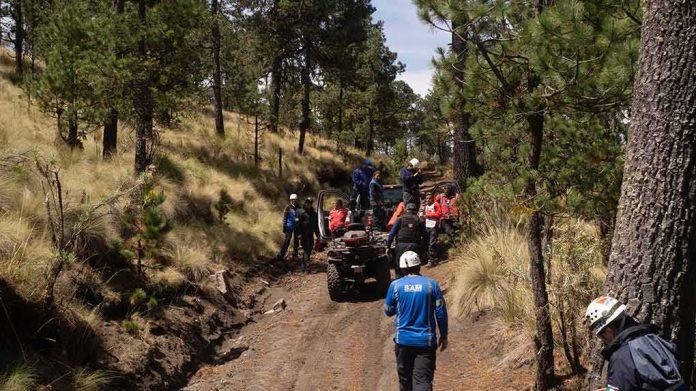
Hancock County Sheriff’s Office and Indiana State Police joined the effort, forming a multi-agency response. Teams spread out along roads and fields between Pendleton and Markleville. Officers reported tracking possible sign while also working to manage traffic and public safety. Command staff balanced the need to move fast with the need to avoid panic. Dispatch handled tips from residents who were watching fence lines, barns, and tree lines for movement.
How The Search Unfolded
Responders used ground units and thermal-imaging drones to scan fields, hedgerows, and drainage ditches. The sheriff’s office said teams deployed drones to extend the search past thick brush and low light in shaded areas. Crews coordinated sectors to avoid overlap and blind spots. The tools aimed to find heat signatures that might match a large cat and a juvenile. The agencies also looked for tracks, hair, or scat that could confirm a path through the area.
The sheriff’s office posted public guidance urging residents to stay alert and call right away with any unusual animal sightings. Officials wanted quick, clean tips rather than social media chatter, which can slow real-time response. Deputies asked people not to approach any large animal and to keep pets and livestock secured. The call for vigilance matched best practices in rare exotic-animal alerts, where time and accurate location updates matter most.
Why Officials Moved Fast
Law enforcement often acts before full confirmation when a report involves a large exotic predator. The cost of waiting can be high if a threat is real, so speed is standard. Past incidents in the United States show how fast an escape can turn dangerous, which shapes modern responses. Even a single credible tip can trigger air assets, road blocks, and a wide-area search grid to reduce risk to people, pets, and livestock while officers work to verify details.
The response in Madison County fit that model. Agencies mobilized, used drones, and warned the public within hours of the first call. Officers kept the search active for about four hours, then stood down after failing to locate the animals. That timeline shows a balance between urgency and resource limits. While no deputy reported a direct sighting, the search and public alerts reflected current safety playbooks for rare but high-risk wildlife calls in populated areas.
Open Questions Officials Are Working
Reporters asked about local permits and possible sources for the animals. Outlets said authorities were not aware of any permitted lion owners in the area and had no reports of missing sanctuary animals. Those details help scope the search but do not answer where the cats came from. Agencies typically review dispatch audio, incident logs, and any drone data after such searches, which can guide next steps or confirm the best future search areas.
Madison County, Indiana
A lion and cub are on the loose, and nobody has reported them missing. Seems odd, unless they were illegal somehow. Law enforcement searched, but not located yet.
Two lions reported loose in Indiana, deputies say | WGN-TV https://t.co/Ymk9I8f2IV
— Patsy 🇺🇸 (@JohnSmithJr147) August 27, 2026
Residents near the reported route should keep pets close, secure trash, and call 911 if they see a large cat, a harness, or fresh tracks. Do not follow or try to photograph a suspected lion. Give the location, direction of travel, and a quick description. That clear handoff helps dispatch send units and drones to the right place. Officials continue to ask for timely tips while they evaluate the search and any new leads from the community.
Sources:
thegatewaypundit.com, heraldbulletin.com, fox59.com, wibc.com