A federal judge’s injunction just froze Big Bend border work, putting fast-track federal power and local rights on a collision course.
Story Snapshot
- A judge temporarily blocked border-barrier work across Texas’s Big Bend region.
- Department of Homeland Security invoked a Texas-wide legal waiver to speed projects.
- Customs and Border Protection says it plans roads, sensors, and limited vehicle barriers, not a tall wall in the park.
- Plaintiffs argue the area is low traffic and that sweeping waivers endanger culture and wildlife.
What the Court Did and Why It Matters
On October 2, a federal judge issued a temporary injunction that halted border-barrier activity in and around Big Bend National Park. The order stops work while lawsuits proceed on whether the government lawfully used broad waivers to speed construction and whether planned projects would cause irreparable harm. An injunction is not a final ruling. But it signals the court sees serious questions about the plan and the process. That pause now shapes the timeline, costs, and design choices ahead.
The legal fight centers on the Department of Homeland Security’s use of a Texas-wide waiver published on July 2. That notice said the Secretary found it “necessary” to waive certain laws to ensure quick building of barriers and roads near the Texas border. The government argues Congress gave this authority years ago for border projects. The waiver lets the agency bypass environmental and historic review steps that normally take time and trigger community input.
What the Administration Says It Is Building
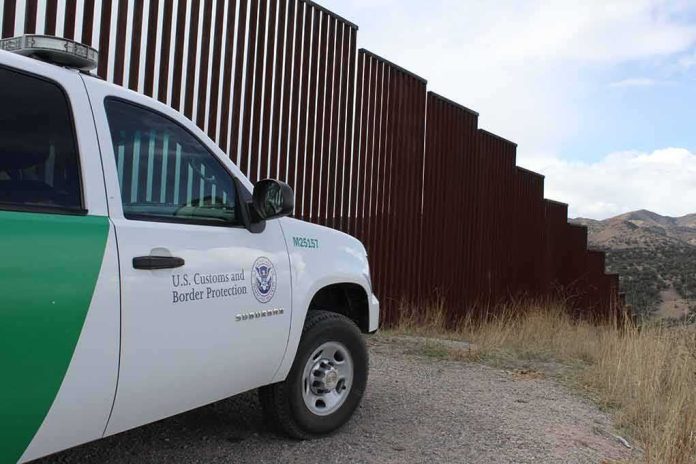
Customs and Border Protection leaders push back on claims of a 30-foot wall cutting through the park. The agency says it plans one new access road, improvements to existing roads, detection technology, and limited vehicle barriers in strategic spots. It says no stadium lighting or tall wall will run through Big Bend National Park, Big Bend Ranch State Park, or the Black Gap Wildlife Management Area. Officials say current activity inside the park is survey and design work, not wall construction.
Funding is real and sizable. A $1.7 billion contract awarded in May underwrites the Big Bend effort. Agency statements tie that money to vehicle barriers, surveillance gear, and patrol roads rather than a continuous steel wall inside the national park. The contract signals a longer build program across multiple segments, even as the exact siting and features remain under review due to terrain, access, and legal challenges.
What the Lawsuits Claim and the Evidence Gaps
Plaintiffs, including conservation groups and local landowners, argue the government mislabeled Big Bend as an area of “high illegal entry” to unlock extraordinary powers. They say the region sees a small share of border arrests and that the waiver sweeps aside bedrock environmental and cultural safeguards. They warn of damage to fragile desert and river habitats, risks to archaeological sites, and harms to private property and local access to the Rio Grande.
Courts have heard that the government’s project scope shifted: from denials of wall construction, to survey-only claims, to pauses and possible design trims. That sequence fuels doubt about what is actually authorized at each site. The public record so far shows the broad Texas waiver and evolving plans, but not a full, site-by-site technical case explaining why each barrier or road is needed in Big Bend’s specific terrain. That lack of detail has made it easier for challengers to win a temporary stop.
Security Goals Versus Place-Based Tradeoffs
The administration links the project to wider security goals, focusing on corridors with repeat illegal entries. Officials argue roads and sensors help agents respond faster in remote stretches. Supporters see this as overdue action after years of unclear enforcement and rising strain on small border towns. Critics counter that Big Bend’s rugged canyons, floodplains, and wildlife corridors make heavy infrastructure a poor fit and that better patrols, technology, and bilateral cooperation would do less harm.
A federal court in Texas on Friday issued a ruling temporarily blocking the Trump administration from building a border wall and other infrastructure across the state’s Big Bend region.https://t.co/3TKLemS7WB pic.twitter.com/HbEyhNHus6
— WGNO-TV (ABC) New Orleans (@WGNOtv) October 3, 2026
Both sides raise concerns many Americans share. People worry that elites cut corners and mute local voices. Others worry that court fights and process delays leave real security holes open for years. Here, the judge’s pause reflects that tension. Congress gave the executive waiver tools. But courts still test how far those tools reach, especially on public lands and sacred or historic places. The next filings will show whether the government can back “necessary” with site-specific proof.
What to Watch Next
Watch for the government to file a tighter record: precise maps, alternatives analysis, and mitigation plans. Expect updated timelines if designs shift to avoid sensitive areas. Look for data on crossings, smuggling routes, and response times that tie the proposed roads and barriers to measurable results on this ground, not just along the border in general. The clearer that case becomes, the more likely a court may narrow or lift parts of the injunction.
Sources:
nypost.com, federalregister.gov, cbp.gov, cbsaustin.com, texastribune.org, clickorlando.com, cnn.com