
Tucker Carlson said any president who even considers first use of nuclear weapons should be removed from office immediately, turning a simmering Iran debate into a test of power and restraint.
Story Snapshot
- Carlson urged immediate removal if first use is on the table.
- Trump and the White House denied considering nuclear options.
- U.S. policy still allows presidential first use of nuclear weapons.
- Trump-era doctrine kept the first-use option in 2018 policy.
What Carlson Said And Why It Landed So Hard
On August 29, 2026, Tucker Carlson said that the moment a president actively considers the first use of nuclear weapons, that leader must be removed from office. He called it an absolute red line because a nuclear strike could destroy humanity. He tied his warning to President Trump’s posture in the ongoing Iran crisis. His stance broke with many conservative allies by turning a policy debate into a question about fitness to serve.
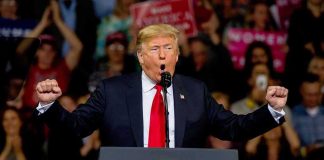
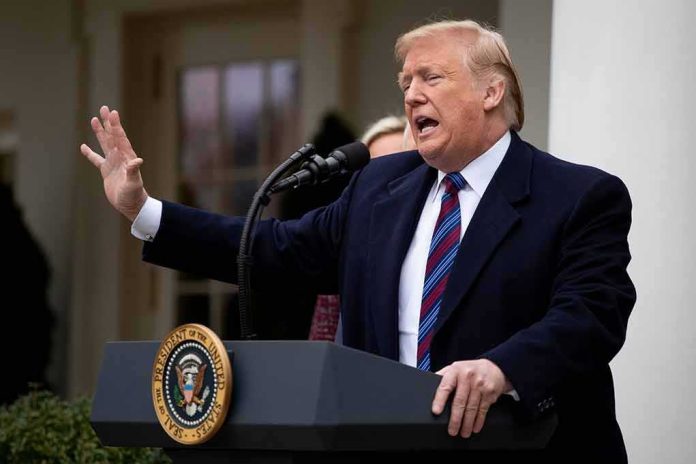
President Trump rejected the charge and mocked Carlson’s claim. He said Carlson had no idea what was going on. The White House called online claims that the administration was weighing nuclear options absurd. The pushback aimed to quiet talk that the Iran fight had moved into nuclear territory. The public denial left a gap between heated media talk and stated government policy on actual options under review.
What U.S. Nuclear Policy Actually Allows
United States policy has never adopted a blanket promise to avoid first use of nuclear weapons. The president holds sole authority to order a nuclear strike, though military leaders can advise and must reject unlawful orders. This structure concentrates fast decisions in one office by design. Analysts across the spectrum agree that this power is broad and real, even if norms and politics discourage actual first use in most cases.
In 2018, the Trump administration’s Nuclear Posture Review kept the option for first use on the table. It also rejected the idea that the only purpose of nuclear weapons is to deter nuclear attack. That decision kept United States doctrine aligned with past practice. Supporters say deterrence needs a credible threat. Critics warn that the open door raises the risk of miscalculation during crises like the current Iran standoff.
Why This Flashpoint Resonates With Both Left And Right
Americans across parties fear that elites make high-stakes decisions without accountability. Carlson’s warning tapped that nerve by focusing on a power only one person holds. Supporters of Trump view strong deterrence as vital against Iran. Many liberals worry about secret decisions and limited oversight. Both sides see a system where one leader can make an irreversible call in minutes, while Congress and the public watch from the sidelines.
Tucker Carlson says Trump should be removed from office 'immediately' – "Tucker Carlson, former longtime supporter of President Donald Trump who has shifted into an increasingly vocal critic, said the president should be removed from office “immediately” over what Carlson…
— Sláinte – JohnLone Ranger (@1stSvelteCelt) August 29, 2026
The clash also shows how media narratives can shape risk. A commentator frames a red line. A president denies the premise. Policy experts note that first use remains legal under current rules. The result is confusion over what is rhetoric and what is a real option. That confusion feeds distrust in government, fuels calls for reform, and leaves citizens to guess how close the country may be to crossing a line it has avoided since 1945.
What To Watch Next: Policy, Oversight, And Signals
Watch for formal statements that narrow or expand declared nuclear use conditions. Congress could hold hearings on launch authority or demand more briefings. Even small changes in doctrine or messaging can matter in Tehran and beyond. Clearer guardrails could calm fears but face political headwinds. Without reforms, the law still vests first-use power in the Oval Office, keeping the stakes high whenever words and war plans mix.
Sources:
bbc.com, politico.com, trumpstruth.org, npr.org