

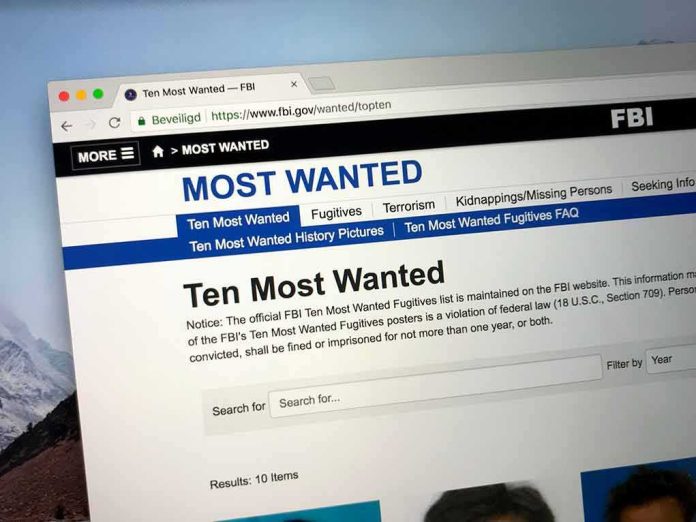
The FBI’s own crime database was apparently hacked just hours before Director Kash Patel went on Fox News to boast about the bureau’s cybersecurity wins.
Quick Take
- The FBI is investigating a suspected breach of the National Crime Information Center, a database police nationwide use for warrants and criminal records.
- Director Kash Patel appeared on Fox News touting “Operation Winter Shield” shortly after officials reportedly learned of the intrusion.
- This marks the second reported breach of FBI systems in recent months, following a September incident that exposed employee data.
- The FBI has not disclosed how the breach happened, who did it, or whether any records were stolen or changed.
A Sensitive Database Comes Under Attack
The FBI is investigating an apparent cyberattack on the National Crime Information Center. This database links federal, state, local, and tribal police departments across the country. It holds warrants, background checks, missing-person reports, criminal histories, and sex-offender records. Officials have not said how attackers got in or whether any of that data was taken.
News outlets reported the suspected breach is the second involving FBI systems in recent months. A September incident reportedly exposed personal information tied to nearly 38,000 FBI employees and thousands of local officers who worked with the bureau. The bureau has given few public details about either case, leaving reporters to rely on unnamed sources familiar with the investigations.
Patel’s Timing Raises Questions
Reports say Director Patel appeared on Fox News to promote the bureau’s cybersecurity record after officials had already learned of the newest breach. On social media, Patel had written that “Operation Winter Shield” put the FBI “on offence against cyber threats” while protecting American businesses and government systems. He also warned that cybercriminals targeting Americans would be caught.
Patel told lawmakers in September that Operation Winter Shield was a 60-day push involving all 56 FBI field offices, aimed at helping organizations patch weak systems. But some reporting said Patel talked about the program on air as if it were still running, even though other accounts describe it as a campaign that wrapped up months earlier. That mismatch makes it harder to know exactly what the program did and when it ended.
What Remains Unknown
Nothing in the public record ties the suspected National Crime Information Center breach to any specific failure of Operation Winter Shield. The program was described as a broad effort to help outside organizations harden their defenses, not necessarily a shield for the bureau’s own internal crime database. A government program can still help outside partners even if one of its own systems gets hit separately.
Still, the FBI has not released a technical report explaining how the intrusion happened, how long attackers may have had access, or whether any records were copied or altered. Without that information, the public cannot judge whether the bureau’s cybersecurity claims hold up where it matters most: protecting its own data.
FBI Probes Suspected Breach of National Crime Database, Raising Fresh Cybersecurity Concerns – https://t.co/s0l0y8PiuN
— Sree Iyer (@SreeIyer1) November 21, 2026
A Familiar Pattern of Doubt
This episode fits a pattern many Americans already recognize. Government leaders announce bold cybersecurity programs, then a new breach forces harder questions about what was actually protected and what slipped through. That gap between public promises and private failures feeds suspicion on both the left and right that agencies in Washington are better at messaging than at fixing real problems.
Congress and oversight bodies could demand the FBI release an incident report naming the attack method, the data exposed, and the steps taken to contain it. Lawmakers could also compare Patel’s September testimony with his Fox News comments to clarify when Operation Winter Shield actually ended. Until the bureau answers those questions, the contrast between its public claims and its own breach will keep drawing scrutiny.
Sources:
mediaite.com, local3news.com, newindianexpress.com, theweek.in, newsweek.com, tickernews.co, openthemagazine.com, thestatesman.com, economictimes.com