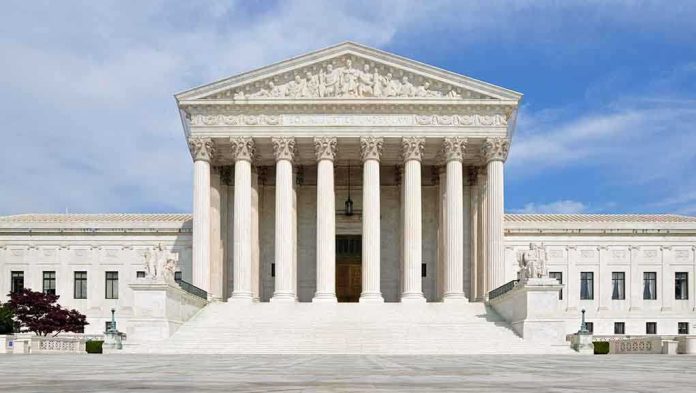
Justice Neil Gorsuch is pressing the Supreme Court to fix two doctrines he says erode basic liberties: coerced pleas and weak digital privacy.
Story Snapshot
- Gorsuch’s record shows strong defenses of speech and privacy in several cases.
- He warns plea deals can trade rights away under pressure, despite long Court approval.
- Location and email searches raise Fourth Amendment alarms he has flagged before.
- A new ruling on appeal waivers shows the Court is open to rebalancing fairness.
What Gorsuch Is Arguing About Civil Liberties
Justice Neil Gorsuch has signaled that two long-standing paths in criminal justice need a reset: how courts treat plea bargains and how they treat digital data. His past writings show concern when the government gains power at the expense of core rights. He found a national center’s email search to be a government search that needed a warrant, and he criticized police entry on posted private property without one. He also led rulings expanding free speech protection in recent terms.
These moves fit a bigger theme. He often ties liberty back to the text of the Constitution and to basic limits on state power. Supporters see a through-line: protect conscience and speech, defend private life from unchecked searches, and insist that the government meet its burdens. Critics see mixed results in his record and point to rulings they say narrowed other rights. That split fuels today’s debate over whether the Court still guards everyday people from heavy state hands.
Plea Bargains: Efficiency Versus Real Choice
American courts run on guilty pleas. The Supreme Court has said pleas are lawful when they are knowing and voluntary. It has approved many waivers, including limits on appeals, if a defendant agrees in open court. But Gorsuch’s warning targets the real world. Defendants often face steep trial penalties and limited time. That pressure can make “choice” look more like a corner. The Court’s new ruling in Hunter keeps safety valves by voiding appeal waivers that would lock in obvious injustice.
Pressure in plea talks is not a small issue. Most criminal cases end in pleas, not trials. That means the safeguards in pleas carry the weight that trials once did. When a system prizes speed, mistakes can slip through. Innocent people may plead to avoid harsher time. Gorsuch’s push asks the Court to test whether consent under these conditions is truly free. The Hunter decision shows a majority now accepts that some lines cannot be waived away.
Digital Privacy: Old Rules in a New Data World
Digital life creates trails of location and messages that reveal where we go and who we are. The third-party doctrine says people often lose privacy when they share data with others. Gorsuch has pressed for stronger limits on warrantless searches of digital content. In one case, he treated a child protection center acting with the government as a state actor that must follow the Fourth Amendment and get a warrant to open email attachments.
Phones now track more than landlines ever did. Email holds more than letters. When old rules treat rich personal data as fair game because a company holds it, the state can learn intimate details without a judge’s check. Gorsuch has urged a return to first principles: the Constitution guards “persons, houses, papers, and effects” from unreasonable searches. He reads that guard to travel with the data, not to vanish when stored with a third party.
Why This Fight Resonates With Voters Across Parties
People on the right and the left share a fear that everyday rights are traded away for speed, control, or convenience. Conservatives worry about government overreach and the growth of a security state. Liberals worry about power imbalances and a system that pressures the poor. Both see a justice system that can feel stacked and a government that defends its own rules. Gorsuch’s critique speaks to both groups because it targets process, power, and fairness.
Neil Gorsuch urges the Supreme Court to correct two wrong turns that undermined civil liberties: its endorsement of coercive plea bargaining and its embrace of dubious Fourth Amendment doctrines. https://t.co/maoCtS9dNc
— reason (@reason) July 1, 2026
Trust rises when the rules match common sense. A plea should be a real choice, not a threat. A search should need a judge’s okay when the state wants to read our private words or map our steps. The Court’s steady approval of plea bargaining sets the frame, but the Hunter ruling shows a path to curb abuse at the edges. Gorsuch is asking the Court to go further and set bright lines that protect people first, not process first.
Sources:
reason.com, empiricalscotus.com, archive.epic.org, brennancenter.org, facebook.com, nytimes.com, aclu.org, ebsco.com, gould.usc.edu