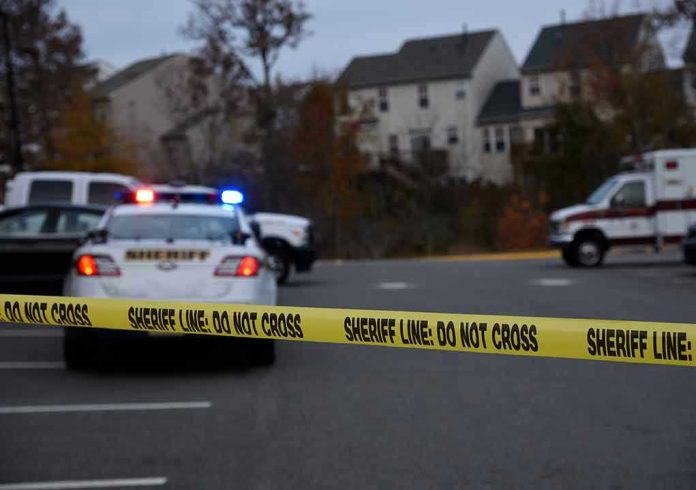
Austin’s latest multi-location shooting scare exposes how fast-moving chaos, thin facts, and politicized narratives can collide—leaving families frightened and demanding straight answers.
Story Highlights
- Authorities described an active, multi-location threat in Austin; prior Texas cases show police often make early public safety determinations during sprees [2].
- Recent Austin mass-violence history includes a March 1 bar-area attack with rapid police response and multiple victims [1].
- Early claims in spree events are frequently provisional; investigators often caution against premature motive or suspect conclusions [3].
- Lack of primary records on the latest alert creates uncertainty about suspect count, randomness, and incident linkage.
Police Framing During Spree Events And Why It Matters
Local police commonly broadcast early threat assessments during suspected spree events to protect the public, even as facts remain fluid. A Dallas–Fort Worth case shows officials publicly clarifying whether an attack appeared random while the investigation was still unfolding, underscoring how agencies shape immediate risk perceptions [2]. In Austin, residents hearing “multiple scenes” and “shelter-in-place” understandably fear roaming danger. When details are scarce, families want clarity on suspects, motive, and whether violence is targeted or indiscriminate.
Conservatives value transparent, timely facts, not spin. Law enforcement must communicate quickly, but speed without documentation can sow confusion. When officials later revise key points—such as whether gunfire was random—the public’s trust takes a hit. That credibility gap harms everyone: police who need cooperation, citizens who depend on accurate warnings, and prosecutors who must present clean timelines. Responsible reporting requires distinguishing confirmed facts from placeholders and rumor cascades amplified on social media.
Recent Austin History: A Rapid, High-Intensity Response
On March 1, 2026, Austin police and medics reached a bar-area attack scene in under one minute, reflecting a posture that treats downtown gunfire as an urgent, mobile threat [1]. Investigators reported a vehicle-based assault with a pistol followed by rifle fire across connected streets, ending when officers fatally stopped the perpetrator [1]. Four people died, including the attacker, and 15 were injured [1]. That experience explains why Austin authorities err on the side of aggressive alerts when multiple reports emerge close together.
Those March facts also show why precise language matters. That case involved a single identified perpetrator who moved between micro-locations [1]. Confusing a single mobile attacker with multiple unconnected shooters can inflate panic and misdirect resources. For today’s families and business owners, the distinction changes everything—from whether to lock down schools to how quickly churches, bars, and shops can safely reopen.
The Evidence Gaps In Today’s Reports
The current claims about nine scenes and random shootings in South Austin lack primary-source documents in the provided record. No Austin Police Department shelter-in-place bulletin, dispatch log, or charging affidavit appears in the supplied materials to confirm suspect count, linkage between scenes, or randomness. Without those records, the public cannot verify whether incidents were part of one sequence, separate crimes merged by timing, or rumor-driven aggregation. That uncertainty frustrates residents seeking straight answers.
Comparable Texas coverage demonstrates how early official characterizations can shift. In the Carrollton case, police publicly rejected the label of “random act of gunfire” as facts developed [2]. In another Texas spree investigation, authorities emphasized they were in the early hours and would not rush motive conclusions, highlighting the need for patience until witnesses and evidence are processed [3]. These examples remind readers that initial alerts are provisional and should be verified with hard records before being treated as settled.
What Texans Deserve From Officials And Media
Taxpayers deserve immediate safety alerts paired with verifiable details as soon as release will not compromise the investigation. That means prompt publication of the alert text, scene map, dispatch timestamps, and, when feasible, sanitized 911 audio and body-camera clips. Those records anchor public understanding and deter politicized spin. When data cannot be released, agencies should set specific timelines for updates and explain what remains unknown and why.
Austin Shooting Spree: 4 Shot in 9 Random Attacks, Shelter-in-Place Alert Issued https://t.co/xunngb8cKQ
— DLW 🔥#MAGA (@Dlw20161950) May 17, 2026
For readers committed to limited government and strong families, clarity protects freedom. Accurate information helps parents decide when to shelter kids, pastors to secure congregations, and small businesses to manage risk. Precision also preserves due process by preventing trial-by-Twitter. The Austin community has endured real violence; officials must match urgency with transparency. Until primary records on the latest alert are available, treat sweeping claims cautiously, honor the facts we can prove, and press for the documentation that brings order to chaos.
Sources:
[1] Web – 2026 Austin bar shooting – Wikipedia
[2] YouTube – Central Texas shooting spree leaves six dead, including suspect’s …
[3] YouTube – Central Texas shooting spree subject set to appear in …