

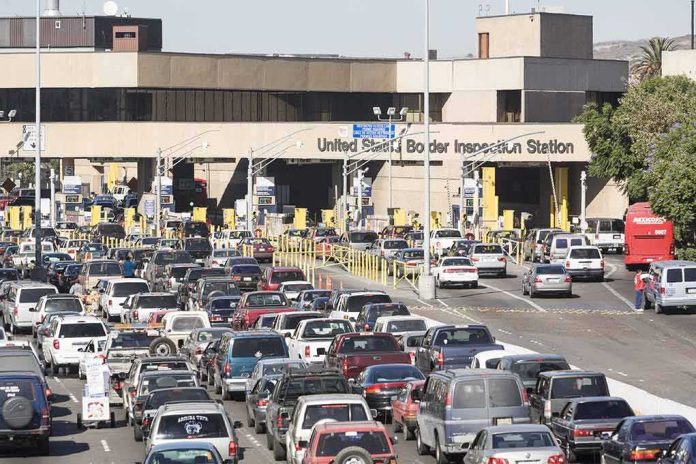
Washington and Ottawa are bracing for a tariff clash that could slap 50% duties on key Canadian goods and trigger fast retaliation, risking higher prices and fresh strain on North American supply chains.
Story Snapshot
- The White House moved to impose 50% tariffs on selected Canadian goods under a long-dormant law.
- President Trump briefly paused the tariffs after talks showed progress, then reset a short deadline for a deal.
- Canada called the U.S. move a violation of the trade pact and vowed matching countermeasures.
- Both sides are using the threat of tariffs to force a fast agreement, with exemptions carved out and clocks reset.
What Washington Announced And Why It Matters
The White House said President Trump would add 50% tariffs on certain Canadian goods. The move came under Section 338 of the Tariff Act of 1930. The fact sheet said the goal is to offset Canada’s alleged discrimination against American products and to protect U.S. workers and commerce. The action stands out because experts say Section 338 has not been used to impose tariffs in modern times, making this a legal and policy break from recent practice.
Reuters reported that the tariffs were set to start on August 19 and would apply even to products that usually qualify for duty-free treatment under the North American trade agreement. The White House also listed carve outs, including energy, potash, some fish, critical minerals, and goods already covered by other U.S. tariffs. These details suggest a targeted design. They also show the administration trying to shield some sectors while increasing pressure in others.
How Ottawa Responded And What It Plans Next
Prime Minister Mark Carney said the U.S. plan violates the North American trade pact and includes tariffs on autos. He said Canada has only matched U.S. steps and will defend its workers and businesses. Canada’s finance ministry had earlier detailed a large counter-tariff plan, starting with $30 billion in U.S. imports and expanding to $125 billion more if the U.S. kept its measures. Ottawa also used 25% duties on steel and aluminum in a dollar-for-dollar response last year.
Canada’s published approach shows a mix of retaliation and restraint. Ottawa removed many earlier counter-tariffs when Washington allowed most Canadian goods to enter tariff-free under the trade pact. But it kept pressure on steel, aluminum, and autos while talks continued. This pattern matches the playbook seen in past U.S.-Canada disputes: hit back fast, narrow the pain where possible, and push for a negotiated off-ramp before costs spread.
Talks, Pauses, And The New Deadline Pressure
As the start date neared, President Trump announced a short pause, saying the two sides had a deal in principle and needed time to finalize it. The delay pushed the effective date by three days and kept negotiators at the table. Bloomberg and Reuters reported that the reset gave both governments until Friday night to close open items, with tariffs snapping on if talks failed to land a finished text by the deadline. The clock itself became leverage.
Canada confirmed the U.S. pause and said discussions were ongoing. Both sides signaled urgency and a desire to avoid a broad trade fight. Yet the risk of escalation remains until a signed agreement is in place. Deadlines and partial exemptions can narrow harm, but they do not erase it. Firms that sell across the border must still plan for possible price spikes, re-routed orders, and delays if duties appear overnight.
The Bigger Stakes For Families, Workers, And Prices
Section 338 gives the president wide latitude to hit back when other countries burden U.S. commerce, according to legal analyses and congressional research. Analysts say it has sat on the books for nearly a century with no clear record of use for tariffs, which makes this episode a new test of presidential trade power. That novelty matters because it could invite copycat moves abroad and more tit-for-tat cycles in future disputes.
CANADA, U.S. NEGOTIATORS RACE TO FINALIZE DEAL BEFORE TARIFF DEADLINE
Top trade negotiators from Canada and the U-S are meeting for the third day running in Washington on Friday to try to finalize a trade deal before threatened new American tariffs come into effect on Saturday.…
— Worldwide News Network (@WorldwideNNX) August 21, 2026
History shows tariff shocks often draw fast retaliation rather than quick fixes. Studies of the Smoot-Hawley era found partners, including Canada, raised duties in response, and everyone paid more while trade fell. Today’s version is more targeted but carries similar risks. Higher border taxes can lift costs for buyers, squeeze small manufacturers, and strain cross-border supply chains. That hits families in the checkout line and workers when orders slow.
What To Watch Next
Watch for a finalized text from both capitals before the deadline. Look for lists of goods that keep exemptions and for any snapback triggers tied to future conduct. Track whether Canada maintains counter-tariffs on steel, aluminum, and autos during talks, or trades relief for concessions. If the talks stall and duties hit, expect quick court filings, rerouted supply chains, and pressure from producers and retailers on both sides of the border to restore predictability.
Sources:
cbsnews.com, whitehouse.gov, reuters.com, aljazeera.com, cfib-fcei.ca, finance.yahoo.com, nytimes.com