

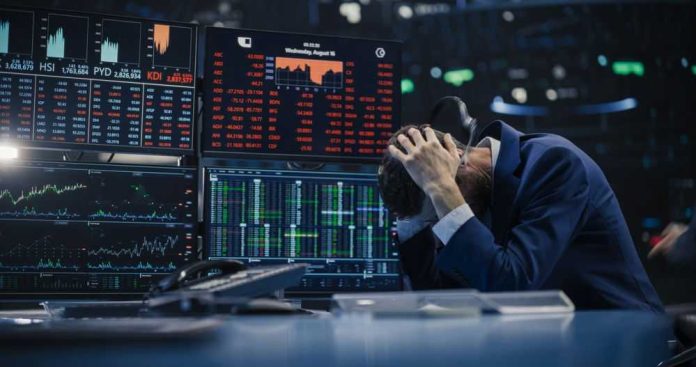
New York City Mayor Zohran Mamdani warned that a single tech boss’s personal drama shook retirement savings, exposing how much the United States now leans on a narrow slice of artificial intelligence stocks.
Story Snapshot
- Mamdani says markets are too tied to artificial intelligence stocks and one executive’s fate.
- Nvidia volatility around Jensen Huang’s exit and return fueled his warning about pensions.
- He linked wealth concentration to weaker democracy, citing Justice Brandeis.
- Counterpoints highlight artificial intelligence job gains and diversification that can limit risk.
Mayor’s Warning Ties Market Swings To Workers’ Pensions
New York City Mayor Zohran Mamdani argued that the stock market is “disproportionately dependent” on artificial intelligence names, and that this raises questions about the strength of the United States economy. He said workers never agreed to have their pensions move with the private life of one corporate leader. He was referring to Nvidia’s Jensen Huang and the market reaction around Huang’s brief removal and reported return to the helm. Mamdani framed the issue as basic economic security for retirees.
Mamdani’s remarks followed a turbulent spell for Nvidia’s stock during leadership headlines involving Huang. Reports described share-price swings that became a political talking point for how concentrated the artificial intelligence trade has become. Mamdani pointed to those moves to warn that public-sector pensions and retirement accounts felt the shock in real time, even though the root cause was not tied to company earnings or workers’ output. He argued that this shows a fragility that voters should not ignore.
Democratic Accountability And Wealth Concentration Claims
Mamdani used a well-known line from Justice Louis Brandeis to link concentrated wealth and democratic risk: “We can have democracy, we can have great wealth concentrated in the hands of a few. We cannot have both”. He placed the artificial intelligence surge inside that frame. He suggested that when market power pools around a few firms and leaders, ordinary people lose leverage over key choices that affect their savings and public budgets. He called for debate on safeguards to reduce that exposure.
Evidence for concentration in artificial intelligence infrastructure exists, but it is not the same as proof of direct harm to pensions. Academic and policy work shows high shares for Nvidia in advanced chips used to train artificial intelligence, with estimates above eighty percent in recent years. That supports a structural risk lens. However, the available reporting tied to Mamdani’s speech does not quantify New York City pension holdings or any loss tied to the Nvidia episode. The size and duration of the impact remain unclear.
What We Know, What We Do Not, And Why It Matters
The record supports several facts. Artificial intelligence-linked stocks have driven large parts of market returns. Nvidia’s leadership headlines coincided with sharp price moves that became a public issue. Mamdani directly connected those moves to retirement accounts and warned about accountability and concentration. At the same time, the reports do not show exact pension exposure, daily profit-and-loss figures, or actuarial effects. That limits how far we can take the risk claims today.
Nvidia’s reported 32% rebound following ARK’s disclosed sales illustrates the danger of attempting to time a business whose valuation is highly sensitive to AI spending expectations, leadership confidence and institutional positioning.
However, missing a rebound does not…
— The Ownership Lab (@theownershiplab) November 24, 2026
Counter-arguments stress growth and diversification. Jensen Huang says artificial intelligence is creating many jobs, could drive several trillion dollars of reindustrialization, and can boost tax revenue and technology progress. Some analysts say diversified portfolios can reduce exposure to any one sector or company, and that new listings with small public floats have limited near-term impact on broad funds. These points do not erase concentration. They do explain why not every portfolio will move in lockstep.
How This Fits Broader Voter Frustrations
Across the political spectrum, people see a pattern: big swings in a few giant companies ripple into their savings, while leaders in Washington argue and delay. Conservatives worry about market bubbles and elites who play by different rules. Liberals worry about inequality and the power of large firms over public life. Mamdani’s warning lands in that shared space. He is not asking people to pick a side on artificial intelligence. He is saying the stakes are now in paychecks and pensions.
Reasonable steps flow from facts we have. Pension systems can publish clear breakdowns of holdings in artificial intelligence-related stocks and suppliers. City and state leaders can stress-test funded status against sharp declines in a few names. Lawmakers can hold hearings on market concentration without assuming guilt. These actions respect growth hopes in artificial intelligence while addressing the real fear that one executive headline can rattle millions of retirement accounts.
Bottom Line For Readers
Mayor Mamdani spotlighted a real tension: the United States wants artificial intelligence-driven growth, but it needs guardrails if markets hinge on a handful of firms and leaders. The Nvidia episode shows how culture-war gossip can bleed into nest eggs when concentration runs high. The strongest fix is daylight and discipline. Demand clear pension disclosures, ask for stress tests, and keep portfolios diverse. Growth and guardrails can exist together if citizens insist on both.
Sources:
youtube.com, commondreams.org, politico.com, economictimes.indiatimes.com, lavocedinewyork.com, thenation.com, ojs.bonviewpress.com