

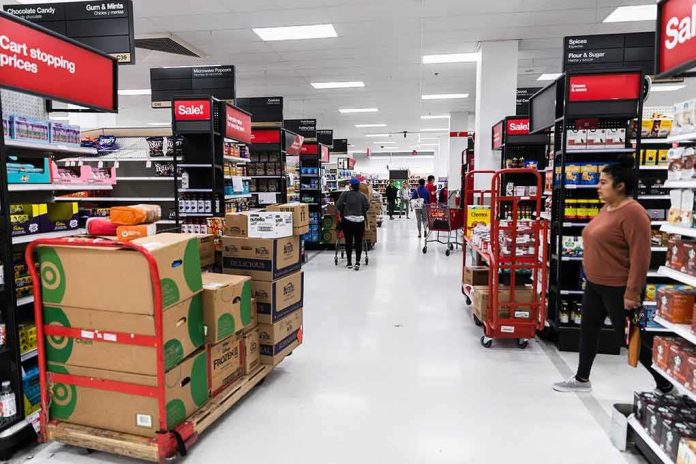
Americans are on track to spend a record $1.013 trillion this holiday season even as more shoppers hunt for deals and stretch thin budgets.
Story Highlights
- Retailers expect November–December sales to hit $1.013 trillion, up 4.2% from 2025.
- Shoppers say they will chase bargains: more sales, more price checks, more coupons.
- Household spending has been rising in dollars, but real buying power has faced pressure.
- Credit-card balances climbed to $1.285 trillion before the season, adding risk.
NRF Forecast: Record Holiday Sales With Budget Caution
The National Retail Federation projected that retail sales in November and December will reach $1.013 trillion, a 4.2% increase over last year’s season, which would set a nominal record if realized. The federation said consumers remain resilient but mindful of costs, with many planning purchases earlier and focusing on essentials. National Retail Federation President Matthew Shay said the forecast reflects confidence that shoppers will prioritize the holidays while keeping to a budget, a balance retailers say they expect to see in stores and online.
National Retail Federation surveys show how people plan to save money while still celebrating. Forty-three percent said they will shop sales more often, 31% plan to compare prices online more often, and 29% expect to use more coupons. The federation’s 2026 trends page repeats the headline outlook and the focus on value, signaling that deal-hunting could shape traffic patterns, promotion timing, and inventory choices this year. Those plans speak to a clear theme: people want to make holiday budgets work without giving up on traditions.
Spending Power: Growth In Dollars, Mixed Family Finances
Government data show that current-dollar personal consumption expenditures rose by $113.1 billion in September, or 0.5%, setting the stage for solid fourth-quarter activity. But price pressure and income strain complicate the picture. The Bureau of Economic Analysis reported that the personal consumption expenditures price index rose 0.5% in September, while real disposable personal income fell 0.3% and the personal saving rate stood at 3.8%. Those trends mean families may be spending more dollars, yet feeling squeezed in what those dollars buy.
Credit adds another layer. The Federal Reserve Bank of New York said credit-card balances increased by $22 billion in the third quarter to $1.285 trillion, and delinquency transitions rose, though from low levels. That does not prove holiday purchases are debt-driven. It does show that many households head into the season with higher revolving balances, which can make interest costs bite when bills arrive in January. For both conservatives and liberals worried about the cost of living and debt, this mix supports a shared concern: headline sales can rise even as family balance sheets feel fragile.
What Bargain Hunting Means For Stores And Shoppers
Retailers face a careful trade-off. Heavy promotions attract value-minded shoppers but can hurt profit margins if discounts run too deep. National Retail Federation data suggest shoppers will search across websites and stores for the best price, pushing chains to match deals and sharpen logistics for fast, low-cost delivery. Off-price, warehouse clubs, and mass merchants may benefit from traffic seeking everyday value, while specialty retailers may lean on exclusive items, bundles, and loyalty offers to hold share amid intense comparison shopping.
Timing also matters. Early-season promotions can smooth traffic and reduce last-minute shipping crunches, but they can pull demand forward, making late December softer without fresh deals. Retailers may adjust inventory more tightly than before the pandemic to avoid markdown gluts. For shoppers, that can mean better prices on popular items early, but fewer clearance windfalls later. Many families are likely to split baskets, buying gifts on sale while trimming extras like décor or premium add-ons to stay within set budgets.
How To Read “Record” Sales In A High-Cost Era
“Record” in dollars does not automatically mean record volume or stronger household health. The National Retail Federation forecast is reported in nominal terms and reflects both more transactions and higher prices. The Bureau of Economic Analysis data show that prices and income do not always move together month to month, which can leave real purchasing power under strain even when spending rises in dollars. One brief caveat is that the $1.013 trillion figure is a forecast, not final sales; official results will arrive after the season.
U. S. CONSUMER CONFIDENCE SURGES 📈
November’s Conference Board Consumer Confidence Index jumped to 𝟏𝟎𝟑. 𝟑, versus expectations of 𝟗𝟐. 𝟓, significantly beating forecasts and improving from 91. 9 previously.
MARKET TAKEAWAY:
The stronger-than-expected reading signals…— InsiderShot (@InsiderShots) November 24, 2026
For readers across the political spectrum, the signal is the same: Americans value the holidays and will find ways to celebrate, but many must fight harder for every deal. That mix lines up with long-running frustration over high prices, tight budgets, and a system that too often seems to work for the few. The data show resolve, not relief. Households are making it work with careful choices, while retailers compete to offer value without breaking their bottom lines.
Sources:
facebook.com, bea.gov, nrf.com